
You wake up with a sore throat and a low fever. Or maybe your knee has been aching for weeks now. Either way, one question comes up fast: should you go to primary care or urgent care?
It’s a question we hear often from patients here in Weslaco and across the Rio Grande Valley. Understanding the difference between primary care vs urgent care in Weslaco TX can help you get the right treatment at the right time. Both options serve important roles, but they’re designed for very different situations. Choosing the right one can save you time, money, and unnecessary stress.
In this post, we’ll walk through what each type of care covers, when one makes more sense than the other, and how to build a care plan that actually supports your long-term health.
Unlocking the Full Potential of Primary Care for Your Health
Primary care is your home base for health. It’s where you go for annual checkups, wellness visits, chronic condition management, and preventive screenings. Think of it as the place that knows your full story, not just today’s symptom.
A primary care provider keeps track of your medical history, medications, and any ongoing concerns. That continuity matters. When someone already understands your health background, they can catch patterns early and make more informed recommendations.
Primary care also covers things people don’t always think about:
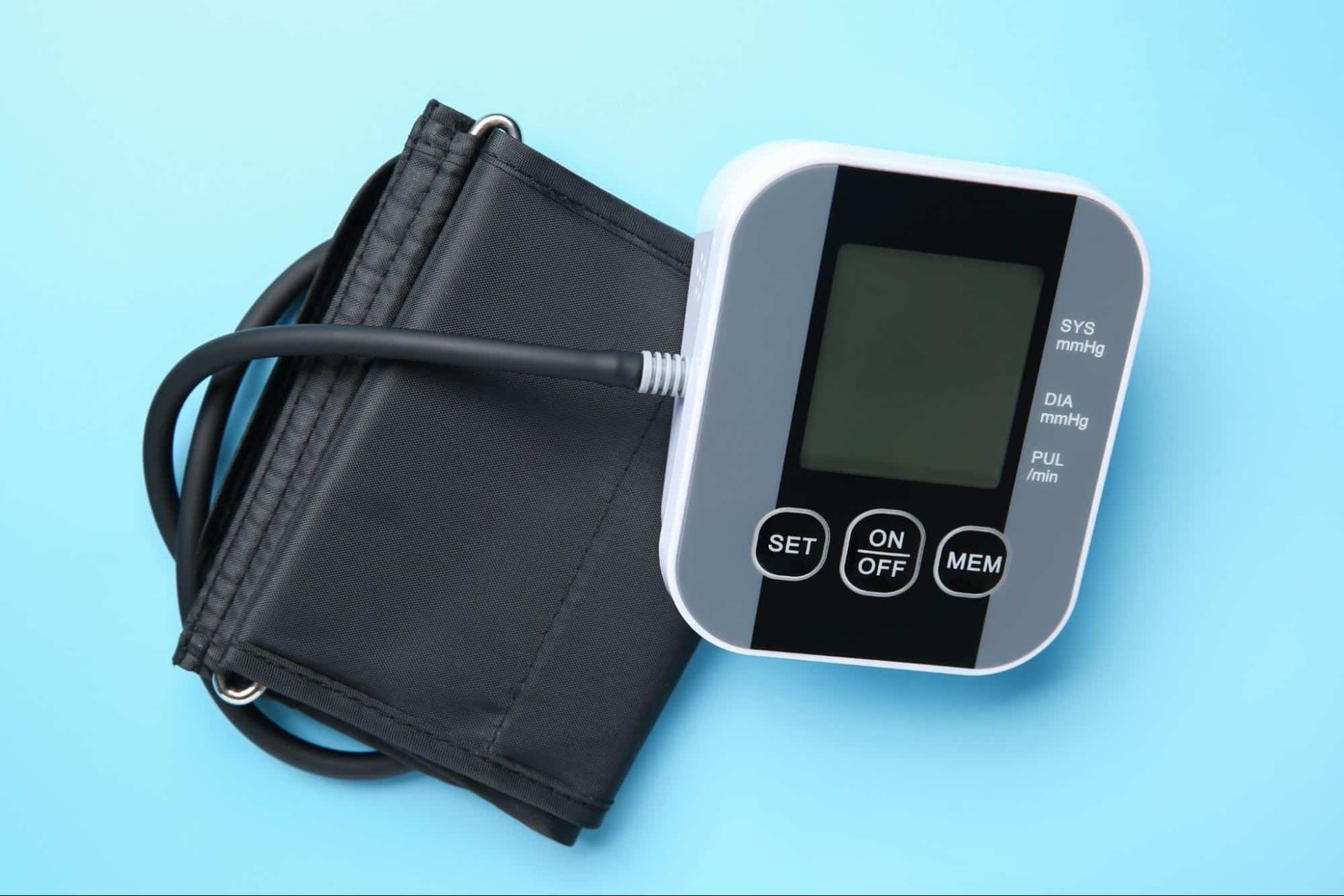
- Blood pressure and cholesterol monitoring
- Diabetes management and education
- Physical exams for school, work, or sports
- Telemedicine visits for follow-ups or minor concerns
- Patient education and long-term care planning
If you’re managing a condition like high blood pressure or diabetes, consistent visits with a primary care provider are one of the most effective things you can do. It’s not about being sick, it’s about staying ahead.
At Davila’s Clinic, we approach primary care services with a focus on the whole person, not just the problem that brought you in today.
Choosing Urgent Care for Faster, Smarter Healing

Urgent care fills an important gap. It’s designed for situations that need attention soon but aren’t life-threatening.
Say you twist your ankle on a Saturday afternoon, or your child develops an ear infection and your regular clinic isn’t open. Urgent care can step in with quick, focused treatment.
Common reasons people visit urgent care include:
- Minor sprains or strains
- Cuts that may need stitches
- Flu-like symptoms or mild infections
- Minor burns or rashes
- Urinary tract infections
Urgent care works best when you need same-day access and your concern is relatively straightforward. Most urgent care centers don’t have access to your full medical history, and they’re not set up for ongoing care. You’ll get treated for the issue at hand, but follow-up usually needs to happen elsewhere.
For anything involving chest pain, difficulty breathing, severe bleeding, or signs of a stroke, the emergency room is where you should go. Urgent care is not equipped for emergencies.
Understanding Your Best Healthcare Options: Primary Care vs. Urgent Care
Understanding the differences between primary care and urgent care can help you feel more confident the next time you need to make a decision.
Relationship vs. one-time visit. Primary care is built around an ongoing relationship. Your provider knows your history, your medications, and your goals. Urgent care is typically a one-time encounter focused on a single issue.
Preventive vs. reactive. Primary care focuses on prevention, catching things before they become bigger problems. Urgent care is reactive. It addresses what’s happening right now.
Scope of care. A primary care provider can manage chronic conditions, coordinate referrals, order labs, and guide long-term wellness plans. Urgent care treats the immediate concern and sends you on your way.
Continuity. This is a big one. When you see the same provider regularly, there’s a level of trust and understanding that simply can’t be replicated in a walk-in visit. That continuity often leads to better outcomes over time.
Neither option is better across the board. They serve different purposes. The key is knowing which one fits your current situation.
How To Decide Where To Go in Weslaco
Living in Weslaco and the Rio Grande Valley, you have options, and that’s a good thing. But having options can also make the decision harder when you’re not feeling well.
Here’s a simple way to think about it.
Ask yourself: Is this new, or has it been going on? If a symptom has been lingering for days or weeks, that’s usually a primary care conversation. If something just happened and needs quick attention, urgent care may be the better fit.
Ask yourself: Do I need follow-up? If the answer is yes, especially for conditions like diabetes, hypertension, or recurring symptoms, a primary care provider is where that follow-up will be most effective.
Ask yourself: Is this an emergency? If you’re unsure, it’s always safer to call 911 or go to the nearest emergency room.
For families along the 83 corridor and throughout the Valley, having a trusted primary care home means fewer trips to urgent care in the first place. When your provider already knows your health picture, a lot of concerns can be addressed through a scheduled visit or even a telemedicine appointment.
If you’re not sure where to start, reaching out to a clinic to ask questions is always a reasonable first step.
Building a Long-Term Care Plan That Works for You

One of the biggest advantages of primary care is the ability to plan ahead. Rather than reacting to every new symptom, you and your provider can build a roadmap together.
That might include regular lab work, managing a chronic condition with ongoing check-ins, or simply having a yearly physical to make sure everything looks good. Over time, these visits create a detailed picture of your health, and that picture is incredibly valuable.
A solid long-term care plan often includes:
- Routine wellness visits and preventive screenings
- Chronic disease management with consistent follow-up
- Patient education so you understand your numbers and what they mean
- Adjustments to treatment as your needs change
This kind of care doesn’t happen in a single visit. It develops through an ongoing relationship with a provider who listens and remembers.
At Davila’s Clinic, we believe that compassionate, patient-centered care is the foundation for better health. Whether you’re coming in for a routine checkup or you need help managing a condition you’ve been dealing with for years, the goal is always the same: support you where you are and help you move forward.
Conclusion
Choosing between primary care and urgent care doesn’t have to feel confusing. When you understand what each one is designed for, the decision usually becomes clear.
Urgent care is there when something unexpected comes up and you need quick attention. Primary care is there for everything else, and honestly, that “everything else” is what shapes your health over the long run.
If you’ve been thinking about establishing care with a primary care provider in Weslaco, or if it’s been a while since your last checkup, now is a great time to take that step. You can schedule a visit with Davila’s Clinic to talk through your health concerns and start building a plan that works for your life.
What is the difference between primary care and urgent care in Weslaco, TX?
Primary care focuses on ongoing health management, preventive screenings, and chronic disease care through a long-term provider relationship. Urgent care handles unexpected, non-life-threatening issues like minor sprains or infections when your regular clinic isn’t available. Knowing the difference helps Weslaco residents save time and get the right level of care.
When should I visit urgent care instead of my primary care provider?
Urgent care is the right choice when you need same-day attention for issues like minor cuts, ear infections, flu-like symptoms, or mild sprains — especially on weekends or after hours. However, for ongoing symptoms, chronic conditions, or anything requiring follow-up, scheduling with a primary care provider is more effective.
What primary care services does Davila’s Clinic PLLC offer in Weslaco?
Davila’s Clinic PLLC offers comprehensive primary care including preventive wellness check-ups, chronic disease management, physical exams, telemedicine services, and patient education with long-term care planning. Located at 412 E 18th ST STE E in Weslaco, TX, the clinic is open evenings Monday, Tuesday, Thursday, and Friday, plus Saturday mornings.
Can a primary care provider in Weslaco help manage chronic conditions like diabetes or hypertension?
Yes. A primary care provider is ideal for managing chronic conditions such as diabetes and hypertension through consistent follow-up visits, lab monitoring, medication adjustments, and patient education. At Davila’s Clinic PLLC, ongoing care is built around understanding your full health history to deliver better long-term outcomes.
Is urgent care equipped to handle medical emergencies?
No. Urgent care is designed for non-life-threatening concerns that need prompt attention, not true emergencies. If you experience chest pain, difficulty breathing, severe bleeding, or signs of a stroke, go directly to the nearest emergency room or call 911 immediately for proper emergency treatment.
How do I choose between primary care and urgent care if I’m unsure about my symptoms?
Ask yourself three questions: Has this symptom been lingering for days or weeks? Will I need follow-up care? Could this be an emergency? Lingering or recurring issues point to primary care, sudden non-emergencies fit urgent care, and anything potentially serious warrants an ER visit or calling 911.
Is it better to go to urgent care or primary doctor?
It depends on the situation. For routine checkups, chronic condition management, and preventive care, your primary doctor is the better choice. They know your medical history and can provide personalized care. However, for unexpected illnesses or minor injuries that need same-day attention when your primary doctor isn’t available, urgent care is the more practical option.
Should I go to urgent care for leg pain?
Urgent care is appropriate for leg pain caused by minor injuries, sprains, or strains that need prompt attention. However, if you experience severe leg pain with swelling, redness, warmth, or difficulty breathing—which could indicate a blood clot—visit the emergency room immediately. For chronic or recurring leg pain, schedule an appointment with your primary care doctor instead.
Can I use urgent care as my primary doctor?
While urgent care can treat immediate health concerns, it shouldn’t replace a primary care doctor. Primary care physicians provide continuous, comprehensive care including preventive screenings, chronic disease management, and personalized treatment plans. They maintain your complete medical history, which leads to better long-term health outcomes. Use urgent care for occasional unexpected needs, but establish a relationship with a primary doctor.
When should you not go to urgent care?
Avoid urgent care for life-threatening emergencies like chest pain, stroke symptoms, severe bleeding, difficulty breathing, or major trauma—go to the ER instead. Also, skip urgent care for routine checkups, chronic condition management, mental health crises, or complex medical issues requiring specialist referrals. These situations are better handled by your primary care physician or emergency services.
Which is more expensive, primary care or urgent care?
Urgent care visits typically cost more than primary care appointments, though the exact amount depends on your location, the facility, and the complexity of your visit. The services you need at urgent care—such as lab tests, X-rays, or procedures—will also affect the final cost. However, urgent care is significantly cheaper than emergency room visits. Insurance coverage varies, so check your plan. For cost-effective healthcare, use primary care for routine needs and reserve urgent care for after-hours emergencies.