

Health concerns don’t always show up between 9 and 5. Maybe it’s a Tuesday evening and your child spikes a fever. Or you wake up Saturday morning with a sore throat that’s been getting worse all week. In moments like these, you’re not thinking about scheduling an appointment next week, you need answers now.
If you’ve ever searched for urgent care after hours in Weslaco, you’re not alone. Many families across the Rio Grande Valley face the same question: where can I go for care when my regular doctor’s office is closed? The good news is you have options, and knowing what they are before you need them can save you time, stress, and an unnecessary trip to the emergency room.
In this text, we’ll walk through when after-hours care makes sense, what’s available locally, and how to make the most of your visit.
When To Seek After-Hours Urgent Care
Not every health issue needs immediate attention, but some shouldn’t wait until Monday, either. After-hours urgent care is designed for problems that are not life-threatening but still need timely evaluation.
Here are some common reasons people seek after-hours care:
- Fever that isn’t responding to over-the-counter medication
- Earaches, sore throats, or sinus pressure
- Minor cuts or wounds that may need cleaning or closure
- Urinary tract symptoms such as burning or frequency
- Mild sprains, strains, or joint pain after a fall
- Rashes or allergic reactions that aren’t causing difficulty breathing
- Persistent nausea, vomiting, or diarrhea
The key distinction is severity. If you’re experiencing chest pain, difficulty breathing, signs of a stroke, or heavy uncontrolled bleeding, call 911 or go to the nearest emergency room immediately. But for concerns that fall somewhere between “I can wait” and “this is an emergency,” after-hours urgent care can be the right fit.
A primary care provider can often evaluate and treat these kinds of issues in an evening or weekend visit, helping you avoid long ER wait times and higher costs.
After-Hours Care Options in the Weslaco Area

Living in Weslaco and the surrounding Rio Grande Valley means you’re part of a growing community with expanding healthcare access. Still, finding care outside of traditional office hours can feel limited if you don’t know where to look.
Some clinics in the area offer extended evening and weekend hours specifically to serve working families and individuals who can’t always get away during the day. For example, Davila’s Clinic on East 18th Street in Weslaco is open on weekday evenings and Saturday mornings, hours that line up well with the needs of patients who work during the day or need care outside the usual 8-to-5 window.
When choosing an after-hours option, it helps to consider a few things:
- Proximity: Is the clinic close to your home or workplace? If you’re near the Weslaco area, whether closer to the Expressway 83 corridor or on the south side of town, knowing the nearest option saves time.
- Services offered: Not all clinics handle the same concerns. Look for a location that provides primary care services so your visit can be thorough.
- Continuity of care: Ideally, you want a provider who can follow up with you or coordinate with your regular care team.
It’s worth noting that freestanding emergency rooms and hospital ERs are also available in the Valley, but they’re best reserved for true emergencies. We’ll get into that distinction next.
Urgent Care vs. Emergency Room: Choosing the Right Level of Care

This is one of the most common sources of confusion we see. When something doesn’t feel right, your instinct may be to head straight to the ER. And sometimes that’s absolutely the right call. But in many cases, an urgent care or after-hours clinic visit is more appropriate, and more practical.
When Urgent Care Is Usually Sufficient
Most non-life-threatening conditions can be safely addressed in an urgent care or after-hours primary care setting. This includes things like minor infections, mild injuries, cold and flu symptoms, and medication refills that can’t wait. Research has consistently shown that a meaningful share of emergency department visits each year involve conditions that could be managed in a lower-acuity setting, such as an urgent care or after-hours clinic.
When the ER Is the Right Choice
Head to the emergency room if you experience:
- Chest pain or pressure
- Sudden severe headache, confusion, or weakness on one side of the body
- Difficulty breathing or shortness of breath
- Severe abdominal pain
- High fever in infants under 3 months
- Significant trauma, such as a broken bone with visible deformity
Why It Matters
Choosing the right level of care isn’t just about convenience. ER visits often come with significantly higher out-of-pocket costs, even with insurance. Wait times can also be much longer, especially for non-emergency concerns. By visiting an after-hours clinic for issues that don’t require emergency-level resources, you can often get seen faster and at a lower cost.
If you’re ever unsure, calling your primary care provider‘s office, even after hours, can sometimes help you decide. Many clinics have answering services or guidance lines for exactly this purpose.
What To Expect During an After-Hours Urgent Care Visit

If you’ve never been to an after-hours clinic before, it helps to know what the process generally looks like. It’s usually more straightforward than an ER visit.
When you arrive, you’ll typically check in and provide basic information, your ID, insurance card if you have one, and a brief description of why you’re there. A member of the care team will take your vitals and ask about your symptoms, medical history, and any medications you’re currently taking.
From there, a provider will evaluate your condition. Depending on what’s going on, they may perform a physical exam, order a rapid test (such as for strep or flu), or recommend a treatment plan. For many issues, you’ll leave with a clear understanding of what’s happening and what to do next, whether that’s a prescription, at-home care instructions, or a recommendation to follow up with your primary care provider.
The atmosphere at an after-hours clinic tends to be calmer than a busy emergency room. You’re less likely to be waiting alongside patients with severe injuries or critical conditions, which can make the experience less stressful, especially if you’re bringing a child.
To learn more about the types of services available at a primary care clinic, including what can be addressed during evening and weekend hours, it’s a good idea to check with the clinic directly.
Tips for Getting the Most Out of Your Visit
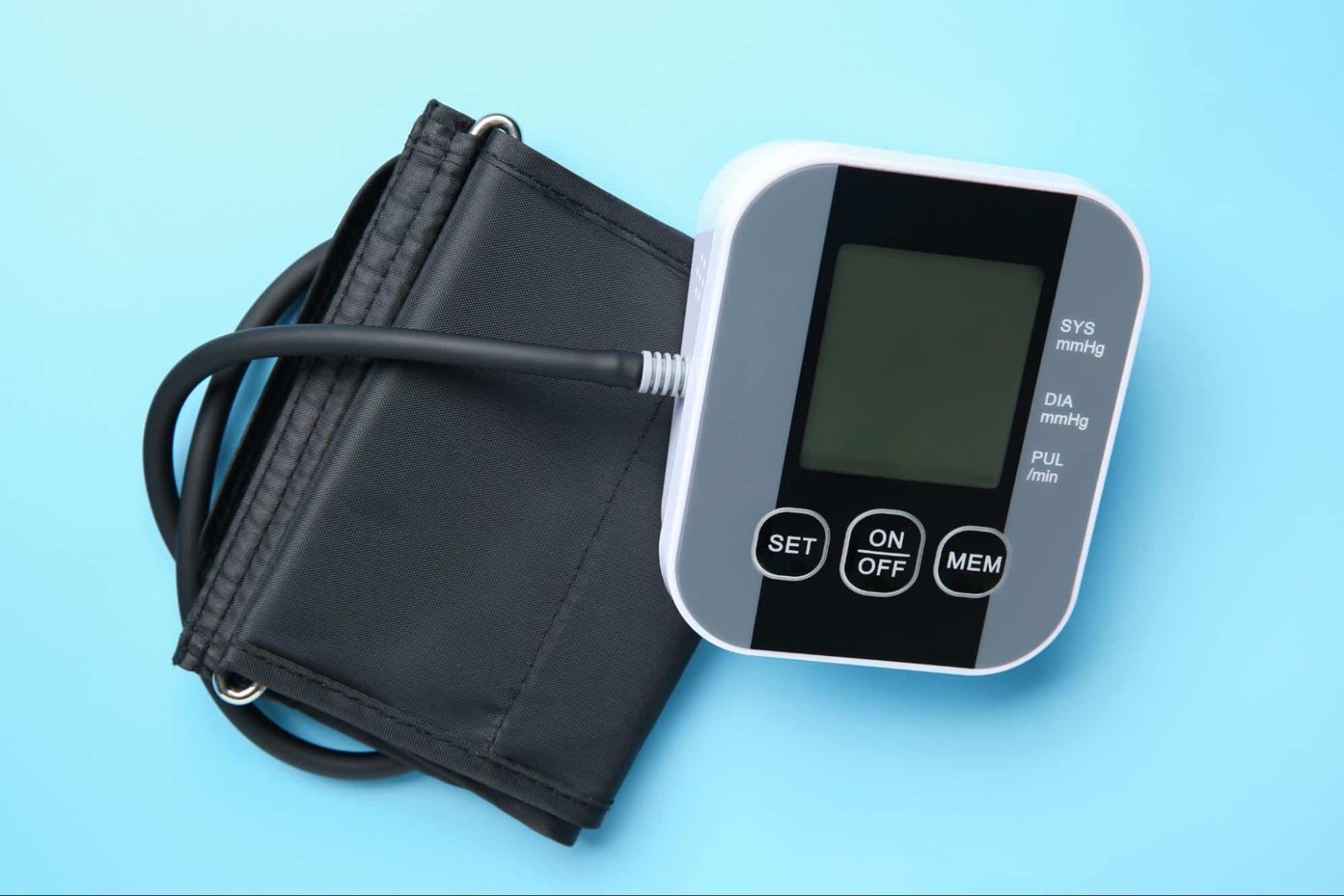
A little preparation can go a long way, even when you’re heading to the clinic on short notice. Here are a few things that can help your visit go smoothly:
- Bring a list of your current medications. This includes prescriptions, over-the-counter medicines, and supplements. If you don’t have a list handy, snap a photo of the bottles before you leave the house.
- Know your medical history basics. Allergies, past surgeries, and any chronic conditions you manage, these details help the provider give you better care.
- Write down your symptoms. When did they start? Have they changed? What makes them better or worse? Even a quick note on your phone can help you communicate clearly.
- Bring your insurance card and ID. If you’re unsure about coverage for after-hours visits, call the number on the back of your insurance card beforehand.
- Ask questions. Don’t leave without understanding your care plan. If something isn’t clear, it’s okay to ask the provider to explain it differently.
These small steps help your provider understand your situation quickly and give you the most effective care in a limited visit window.
Conclusion

Health concerns don’t follow a schedule, and knowing where to turn when they come up outside regular office hours can make a real difference. Whether it’s a weeknight fever or a Saturday morning injury, families in Weslaco and the Rio Grande Valley deserve access to timely, compassionate care without always defaulting to the emergency room.
The most important thing you can do is plan ahead. Know your local options, understand the difference between urgent and emergency situations, and keep basic health information accessible so any visit, planned or not, goes as smoothly as possible.
If you have questions about after-hours care or want to learn more about what’s available to you, feel free to contact the clinic to get the information you need. Taking that step, even before something comes up, is one of the easiest ways to take care of yourself and your family.
Where Can I Find Urgent Care After Hours in Weslaco?
Davila’s Clinic PLLC at 412 E 18th ST STE E in Weslaco offers after-hours primary care on weekday evenings (Monday, Tuesday, Thursday, Friday from 5:00 PM–9:00 PM) and Saturday mornings (8:00 AM–1:00 PM). Call (956) 520-7050 for more information or to schedule a visit.
What Conditions Can Be Treated at an After-Hours Urgent Care Clinic?
After-hours urgent care clinics treat non-life-threatening conditions such as fevers, sore throats, earaches, minor cuts, urinary tract infections, mild sprains, rashes, and cold or flu symptoms. If you experience chest pain, difficulty breathing, or signs of a stroke, go to the emergency room instead.
Is After-Hours Urgent Care Cheaper Than Going to the Emergency Room?
Yes, in most cases. Emergency room visits typically involve significantly higher out-of-pocket costs, even with insurance. After-hours clinics like Davila’s Clinic PLLC in Weslaco can address many of the same non-emergency concerns faster and at a lower cost, making them a practical alternative for families.
What Should I Bring to an After-Hours Clinic Visit in Weslaco?
Bring your insurance card, a valid photo ID, a list of current medications (or photos of the bottles), and notes about your symptoms—when they started, what makes them better or worse. Having your medical history basics like allergies and chronic conditions ready helps the provider deliver more effective care.
What Are the Hours for Davila’s Clinic PLLC in Weslaco?
Davila’s Clinic PLLC is open Monday, Tuesday, Thursday, and Friday from 5:00 PM to 9:00 PM, and Saturday from 8:00 AM to 1:00 PM. The clinic is closed on Wednesdays and Sundays. These evening and weekend hours are designed to serve working families who need care outside the traditional 8-to-5 schedule.
How Do I Know if I Should Go to Urgent Care or the Emergency Room?
Choose urgent care for non-life-threatening issues like minor infections, mild injuries, or flu symptoms. Head to the ER for chest pain, severe breathing difficulty, sudden weakness or confusion, high fever in infants under 3 months, or significant trauma. When in doubt, call your provider’s office for guidance.
Is After Hours Considered Urgent Care?
After-hours care and urgent care often overlap, but they’re not the same. After-hours clinics operate outside regular business hours, typically during evenings and weekends. Urgent care facilities also offer extended hours and treat non-life-threatening conditions. At our Weslaco clinic, we provide urgent care after hours, so you can receive prompt medical attention when your primary care physician’s office is closed.
Do I Go to Urgent Care for a Rash?
Yes, visiting urgent care for a rash is a smart choice, especially if it appears suddenly, spreads quickly, or causes significant discomfort. We can diagnose and treat various skin conditions, including allergic reactions, infections, and contact dermatitis. However, if your rash is accompanied by difficulty breathing, swelling of the face or throat, or high fever, head to the nearest emergency room immediately.
Should I Go to Urgent Care for Abdominal Pain?
Urgent care is an excellent option for mild to moderate abdominal pain caused by issues like indigestion, stomach flu, or urinary tract infections. We can evaluate your symptoms, run diagnostic tests, and provide treatment to relieve your discomfort. However, if you experience severe or sudden abdominal pain, bloody stools, or persistent vomiting, seek emergency care right away, as these may indicate a serious condition.