

If you’ve ever gotten off work at 5 p.m. and realized you still need to see a doctor, you know the frustration. Most clinics are closing their doors right when your day finally opens up. For families across Weslaco and the Rio Grande Valley, this is a familiar challenge, balancing work schedules, school pickups, and daily responsibilities while trying to stay on top of your health.
The good news is that evening clinics exist for exactly this reason. They’re designed to meet you where your schedule allows, not the other way around. In this text, we’ll walk through why evening clinic hours can make a real difference, what types of care you can expect, and how to find an evening clinic near you that fits your needs.
Why Evening Clinics Are a Game-Changer for Busy Families
For many households in the Rio Grande Valley, daytime clinic hours just don’t line up with real life. Parents working shifts at local warehouses or retail jobs along Expressway 83 can’t always step away mid-morning for a checkup. And pulling kids out of school for a routine visit isn’t always practical either.
Evening clinics help close that gap. When a primary care provider offers hours after the traditional workday ends, it means fewer missed appointments, fewer trips to the emergency room for non-emergency concerns, and more consistent care overall.
According to the National Association of Community Health Centers, access to flexible clinic hours is one of the strongest predictors of whether patients stay engaged with preventive care. That’s especially important for people managing ongoing conditions like diabetes or high blood pressure, where regular follow-up makes a significant difference in outcomes.
We see this all the time. Patients who can come in during evening hours tend to keep their appointments more consistently. They’re not rushing through a visit squeezed between other obligations, they’re more present, more ready to have a real conversation about their health. That consistency builds a stronger relationship between patient and provider, which benefits everyone involved.

What Services Are Available at an Evening Clinic
One common concern is that evening hours might mean limited services. That’s understandable, but in many cases, an evening clinic offers the same core primary care you’d receive during a daytime visit.
Here’s what you can generally expect from a well-equipped evening clinic:
- Routine and preventive care, wellness exams, physicals, and health screenings
- Chronic disease management, follow-up visits for conditions like hypertension, diabetes, or thyroid issues
- Acute care for minor illness, sore throats, ear infections, mild fevers, or stomach issues
- Patient education and care planning, guidance on medications, lifestyle changes, or managing a new diagnosis
- Telemedicine options, some clinics may offer virtual visits for added convenience
At Davila’s Clinic, for example, evening hours run Monday, Tuesday, Thursday, and Friday from 5:00 PM to 9:00 PM, with Saturday morning availability as well. That schedule was built around the community’s needs, not the other way around.
It’s worth noting that not every evening clinic will offer the same range of primary care services. Before your first visit, it’s a good idea to confirm what’s available so you know what to expect.
How to Choose the Right Evening Clinic Near You
Searching for an “evening clinic near me” is a solid starting point, but the results can be overwhelming. Not every option that shows up will be the right fit. Here are a few things to look for as you narrow down your choices.
Location and Accessibility
Convenience matters, especially when you’re heading to a visit after a long day. A clinic close to home or along your commute can make the difference between keeping an appointment and putting it off another week. For residents in Weslaco and surrounding communities like Mercedes, Donna, or Edinburg, finding care that’s nearby is a real priority.
Scope of Services
Some evening clinics focus only on urgent care or walk-in visits. Others provide comprehensive primary care, including chronic disease management and preventive services. If you’re looking for a long-term care relationship, not just a one-time visit, make sure the clinic supports that. You can review a clinic’s full list of available services to see if they match what you need.
Provider Approach and Patient Reviews
Pay attention to how a clinic communicates. Is the tone welcoming? Do patient reviews mention feeling heard and respected? A provider who takes time to listen during an evening appointment is someone worth returning to.
Appointment Flexibility
Some clinics require scheduled appointments: others accept walk-ins. Knowing this ahead of time can save frustration. If your schedule changes week to week, having options is important.

What to Expect During an Evening Clinic Visit
If you’ve never been to an evening clinic before, you might wonder whether it feels different from a typical daytime visit. In most cases, it shouldn’t.
You’ll check in, go over your medical history or current concerns, and meet with your primary care provider just like you would at any other appointment. The care itself doesn’t change because of the time on the clock.
One thing patients often tell us is that evening visits can actually feel calmer. The pace may be a bit different. There’s sometimes less of the hustle you’d find during peak morning hours, which can mean a more relaxed, unhurried conversation with your provider.
What to Bring to Your First Visit
If it’s your first visit to a particular clinic, make sure you have:
- Valid ID and insurance information
- A list of current medications you’re taking
- Any questions or symptoms you want to discuss — it’s easy to forget once you’re in the exam room
Building a Consistent Care Routine
For families managing chronic conditions, evening visits can become part of a regular care routine. Instead of trying to squeeze in appointments during the workday, you can build a schedule that actually works. And that kind of consistency is what helps a provider give you the best guidance possible.
If you’re unsure whether an evening visit is right for your situation, don’t hesitate to call ahead. Most clinics are happy to walk you through what to expect. You can always reach out to the team at Davila’s Clinic with any questions about scheduling or services.
Conclusion
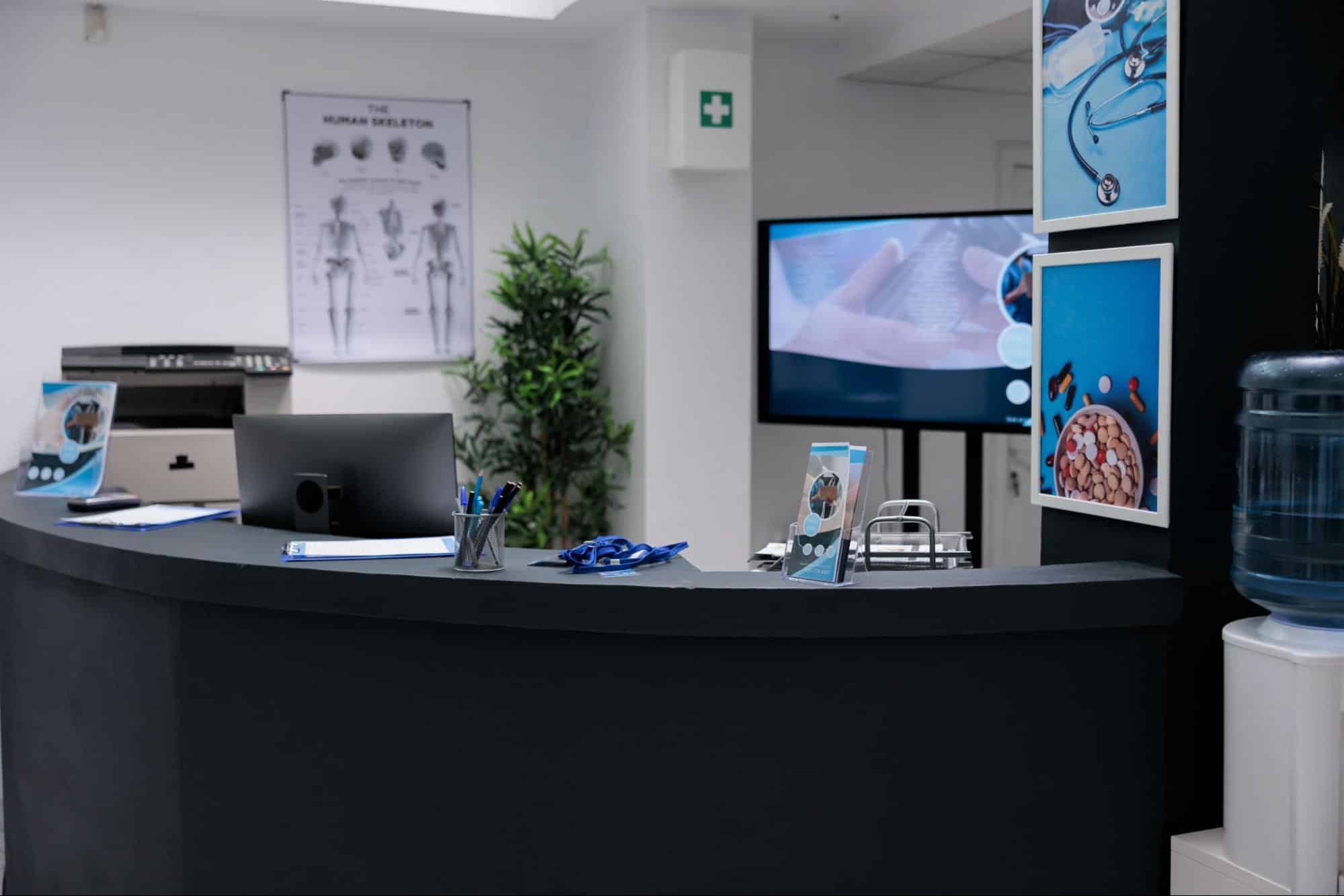
Finding an evening clinic near you doesn’t have to be complicated. What matters most is that you’re able to access consistent, quality primary care on a schedule that fits your life, not the other way around.
For families across the Rio Grande Valley, evening hours can mean the difference between staying on top of your health and letting things slide. Whether you need a routine wellness visit, help managing a chronic condition, or just want to establish care with a provider who understands this community, there are options available.
We encourage you to take that next step when you’re ready. A simple appointment can go a long way toward keeping you and your family healthy for the long term.
What services can I get at an evening clinic near me?
A well-equipped evening clinic typically offers the same primary care as daytime visits, including wellness exams, chronic disease management for conditions like diabetes and hypertension, acute care for minor illnesses, patient education, and telemedicine options. Davila’s Clinic PLLC in Weslaco provides comprehensive primary care during evening hours.
What are the evening clinic hours at Davila’s Clinic in Weslaco?
Davila’s Clinic PLLC is open Monday, Tuesday, Thursday, and Friday from 5:00 PM to 9:00 PM, with Saturday morning hours from 8:00 AM to 1:00 PM. The clinic is located at 412 E 18th ST STE E, Weslaco, TX 78596, and can be reached at (956) 520-7050.
Why should I choose an evening clinic instead of going to the emergency room?
Evening clinics provide affordable, non-emergency primary care after regular business hours, helping you avoid costly and time-consuming ER visits for minor concerns like sore throats, mild fevers, or routine follow-ups. They also support ongoing care relationships, which leads to better long-term health outcomes.
How do I find the best evening clinic near me?
Start by searching for an evening clinic near your home or commute. Look for one that offers comprehensive primary care—not just urgent care—along with flexible scheduling, positive patient reviews, and a welcoming provider approach. Confirming available services and hours before your first visit saves time and frustration.
What should I bring to my first evening clinic visit?
Bring a valid ID, your insurance information, and a list of any current medications. It also helps to write down symptoms or questions you want to discuss with your provider. Being prepared ensures a more productive and thorough appointment, especially for managing chronic conditions.
Can an evening clinic provide ongoing chronic disease management?
Yes, many evening clinics offer full chronic disease management, including regular follow-ups for diabetes, hypertension, and thyroid conditions. Consistent evening appointments make it easier for working families to stay on schedule, which improves health outcomes over time. Davila’s Clinic PLLC specializes in this type of long-term primary care.
What qualifies as a medical emergency?
A medical emergency is any condition that requires immediate care to prevent serious harm, permanent disability, or death. This includes chest pain or pressure, difficulty breathing, stroke symptoms (sudden facial drooping, arm weakness, slurred speech), severe uncontrolled bleeding, loss of consciousness, seizures, and severe abdominal pain. For these situations, patients should call 911 or go directly to the nearest emergency room — not an after-hours clinic.
What conditions are treated during after-hours visits?
Evening hours are designed for non-life-threatening conditions that still need prompt attention and cannot wait until the next business day. These include colds, flu, sore throats, ear infections, urinary tract infections, mild fevers, minor cuts or burns, skin rashes, nausea, sprains, and mild asthma symptoms. Addressing these issues early during an evening visit helps patients avoid unnecessary emergency room trips and prevents minor conditions from worsening overnight.