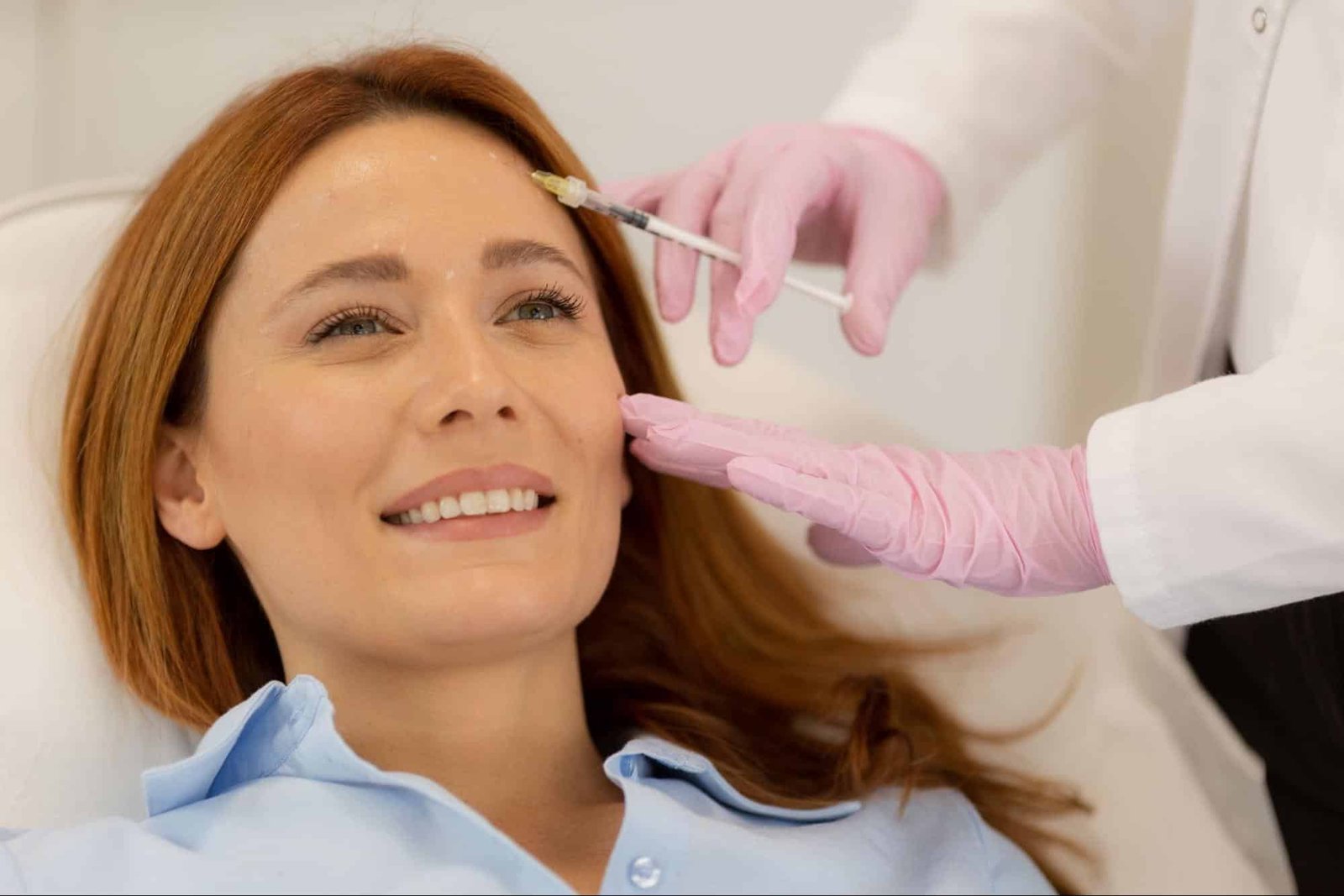
It’s a fair question, and a common worry: is Botox safe in Weslaco, TX, or can it go wrong if you pick the wrong provider? People want smoother lines without risks like droopy eyelids, uneven results, or injections from someone untrained.
Botox is often the first treatment people consider when they search “is Botox safe in Weslaco, TX.” It’s also one of the most common cosmetic procedures in the U.S., with a strong safety record for most healthy adults. Safety depends less on the brand and more on how—and by whom—the injections are done.
“Botox” is often used as a catch-all term for wrinkle relaxers, and standards can vary. An FDA-approved product, a properly trained and licensed medical professional, and a personalized plan for dose and placement make results safer and more predictable. Not every discount deal or pop-up event follows those best practices.
In this guide, we’ll explain what Botox is, what the FDA says about safety, typical side effects vs. risks, and how to choose a qualified injector in Weslaco.
Feel Confident About What Botox Is (And What It’s Approved To Treat)
Botox is the brand name for onabotulinumtoxinA, a purified form of botulinum toxin used in carefully measured doses. It temporarily blocks nerve signals to a targeted muscle, so that muscle relaxes.
Relaxing muscle activity has both cosmetic and medical uses. It’s also worth emphasizing that Botox is FDA-approved for specific indications, with specific dosing and labeling.
FDA-approved cosmetic uses include treatment of:
- Glabellar lines (the “11s” between the eyebrows)
- Crow’s feet (lateral canthal lines)
- Forehead lines
FDA-approved medical uses include (depending on age and diagnosis):
- Chronic migraine
- Spasticity and certain muscle stiffness conditions
- Overactive bladder
- Excessive sweating (hyperhidrosis)
- Blepharospasm (eyelid spasms) and strabismus
When we talk about whether Botox is safe in Weslaco, TX, a lot depends on the use case. Cosmetic wrinkle softening is typically lower dose, while medical treatment can require much higher total dosing.
Cosmetic Vs. Medical Botox: What’s Different
Cosmetic Botox uses smaller, localized doses intended to soften expression lines while keeping natural movement. A commonly referenced FDA-approved cosmetic dose is 20 Units for glabellar lines (though total dose varies by face, goals, and technique).
Medical Botox can involve higher total doses, sometimes in the hundreds of units over a 3-month period for certain conditions. That doesn’t automatically make it unsafe—it means the risk profile and monitoring expectations change with higher doses and broader treatment areas.
Another nuance: botulinum toxin products are not interchangeable in strength. “Units” are product-specific, and potency units can’t be converted across products like a simple math formula. That’s another reason a qualified injector and a legitimate supply chain matter.
Understand How Botox Works (And How Long It Lasts)
Botox works at the neuromuscular junction by reducing release of a neurotransmitter (acetylcholine), which is why the injected muscle relaxes.
Most people notice changes in 3–7 days, with peak effect around 1–2 weeks. Results typically last 3–4 months (sometimes longer) depending on dose, muscle strength, metabolism, and consistency of treatments.
Know What The Evidence And FDA Guidance Say About Safety
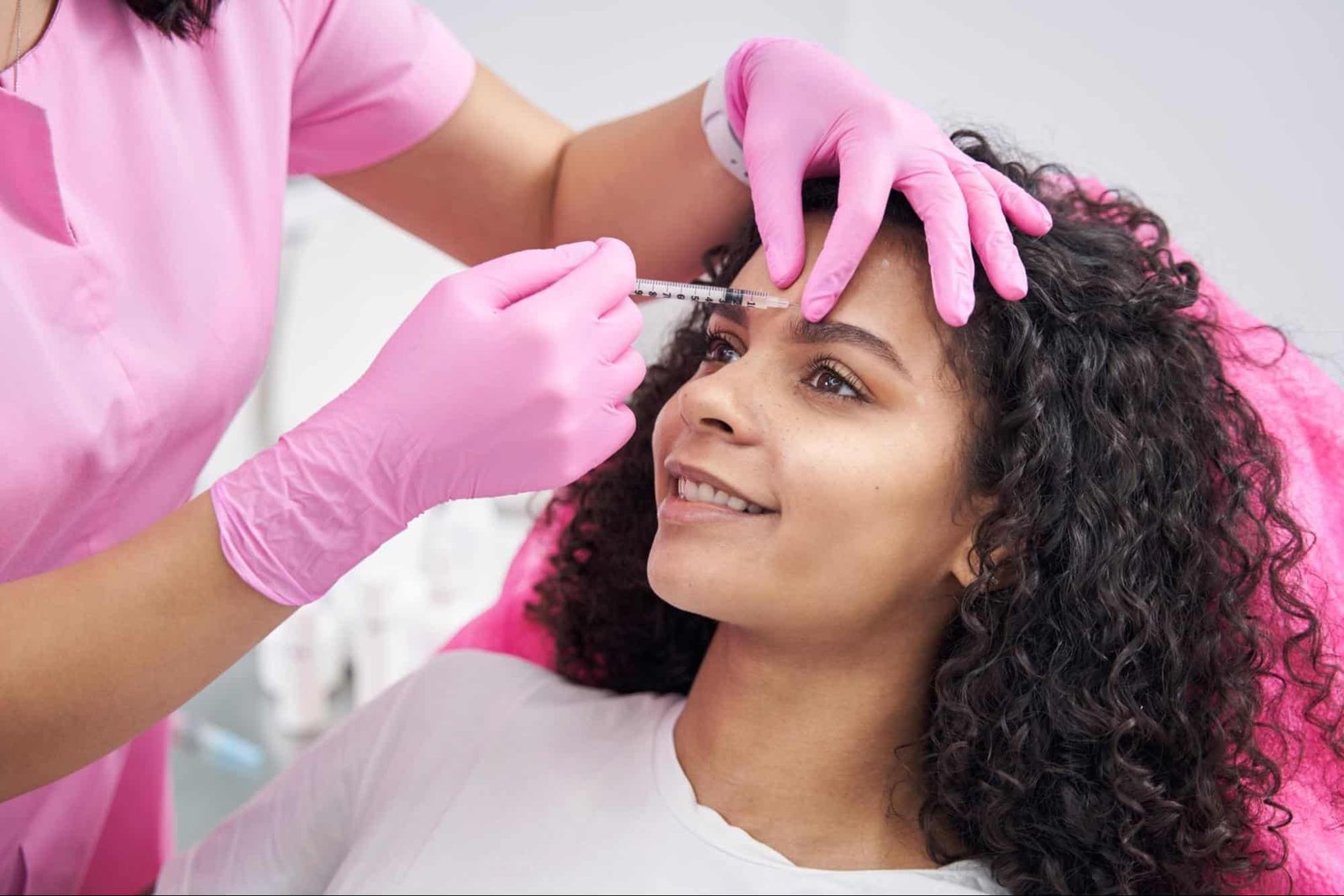
When patients ask, “Is Botox safe?” it helps to think about safety in layers:
- Product safety (real, FDA-approved, properly stored)
- Provider safety (trained, licensed, medically supervised)
- Dose and technique safety (right dose, right placement, sterile technique)
- Patient-specific safety (your history, meds, risk factors)
From a regulatory standpoint, FDA-approved Botox is generally considered safe when used as labeled. That said, the FDA requires a boxed warning about the potential for toxin effects to spread beyond the injection site.
This “distant spread” is rare but serious. It can cause symptoms that resemble botulism, including weakness, drooping, difficulty swallowing, or breathing problems, and can appear hours to weeks after injection. Risk is considered higher when Botox is used beyond recommended doses, especially in certain medical contexts.
Importantly, the FDA has noted there are no confirmed serious cases of distant spread when Botox is used at typical cosmetic doses (often 20–100 Units total, depending on areas treated). That’s reassuring—assuming the product is authentic and properly administered.
Avoidable risks often involve:
- Unapproved or counterfeit products
- Product sourced outside legitimate channels
- Improper dilution or dosing
- Injectors working outside their training or without appropriate medical oversight
Recognize Typical Side Effects Versus Warning Signs
Common, expected reactions include:
- Mild injection-site pain or tenderness
- Redness or small bumps that fade within hours
- Bruising
- Headache for a day or two
- Temporary “heavy” feeling in the treated area
Warning signs that need urgent medical attention:
- Trouble swallowing
- Shortness of breath
- Widespread muscle weakness
- Vision changes (double vision or significant drooping affecting vision)
- Severe hoarseness or speech changes
Know Who Should Avoid Botox Or Get Extra Medical Clearance
Botox may not be appropriate—or may require clearance—for:
- Anyone with known hypersensitivity to botulinum toxin products or ingredients
- People with an infection at the injection site
- Patients with certain neuromuscular disorders
- Individuals with significant respiratory compromise or swallowing issues
Medication interactions matter too. Certain antibiotics (like aminoglycosides) and other drugs that affect neuromuscular transmission can potentially increase the effect of Botox.
If you’re pregnant or breastfeeding, the safest approach is typically to pause elective cosmetic Botox unless your physician has a clear medical indication.
Choose A Weslaco Injector You Can Trust
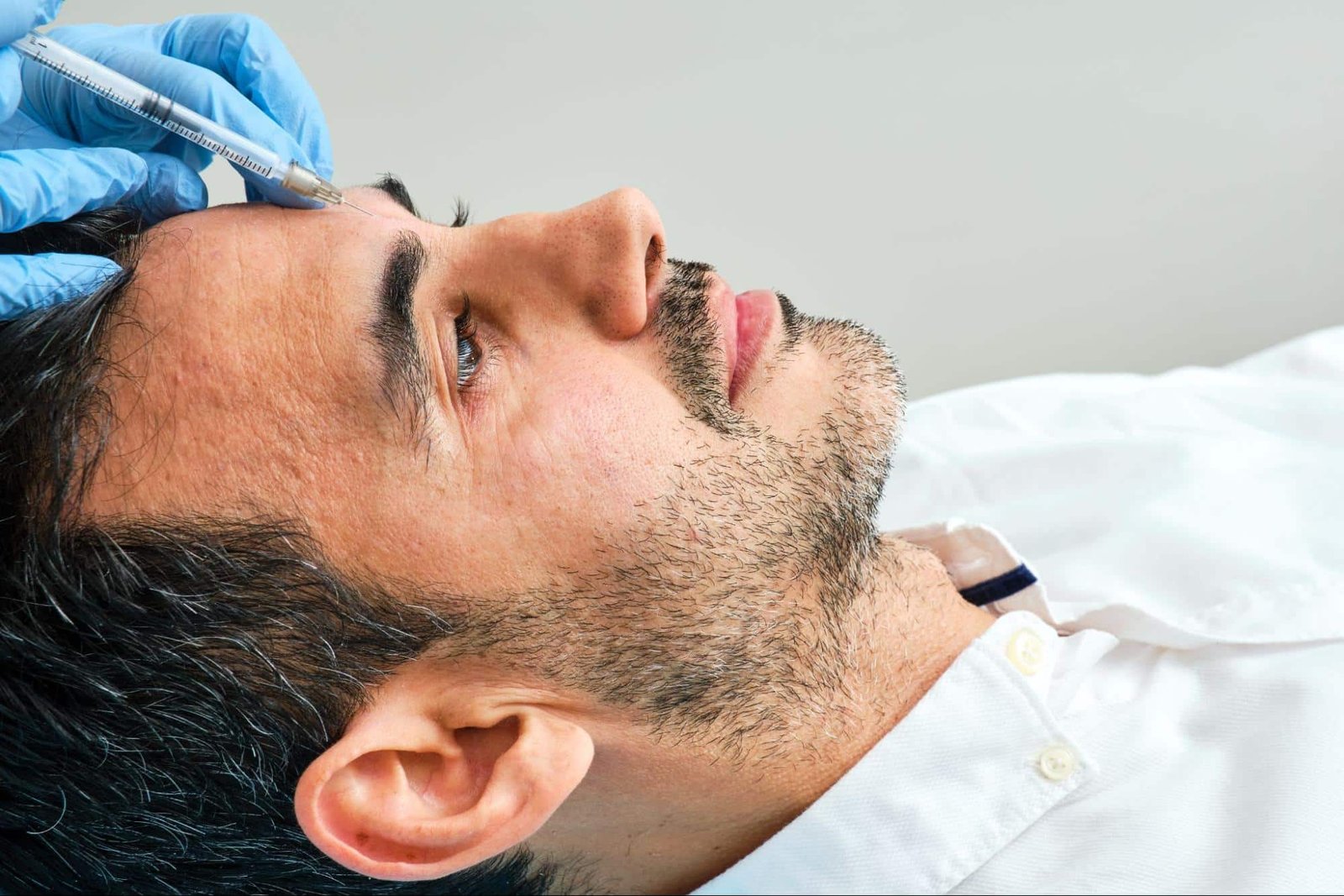
The biggest factor in “is Botox safe Weslaco TX” is who is holding the syringe.
Even a great product can lead to poor outcomes if it’s injected in the wrong place, at the wrong depth, with the wrong dose, or without proper screening.
Look For Credentials That Signal Real Safety Systems
Safer choices usually include Botox performed (or directly overseen) by:
- Board-certified dermatologists
- Board-certified plastic surgeons
- Licensed PAs or NPs specializing in aesthetic injectables under appropriate physician oversight
A qualified injector should have:
- Strong facial anatomy knowledge (vascular and muscular patterns)
- Experience managing common side effects and recognizing rare emergencies
- Proper sterile technique and documented product handling
Ask The Questions That Protect You (And Watch For Red Flags)
Questions to ask:
- “Are you using FDA-approved Botox (onabotulinumtoxinA)? Can you show the vial or packaging?”
- “Where do you source the product?”
- “How many Botox treatments do you do in a typical week or month?”
- “What dose do you recommend for my anatomy and goals, and why?”
- “What’s your plan if I have eyelid or brow droop?”
- “Who do I contact after hours if I have a concern?”
Red flags:
- Prices far below the local norm with vague explanations
- Refusal to discuss sourcing or show packaging
- No medical intake (no meds list, no health history)
- Treatment in non-clinical environments without clear medical oversight
- “Guaranteed” results or pressure to start with high doses
Expect A Professional Appointment
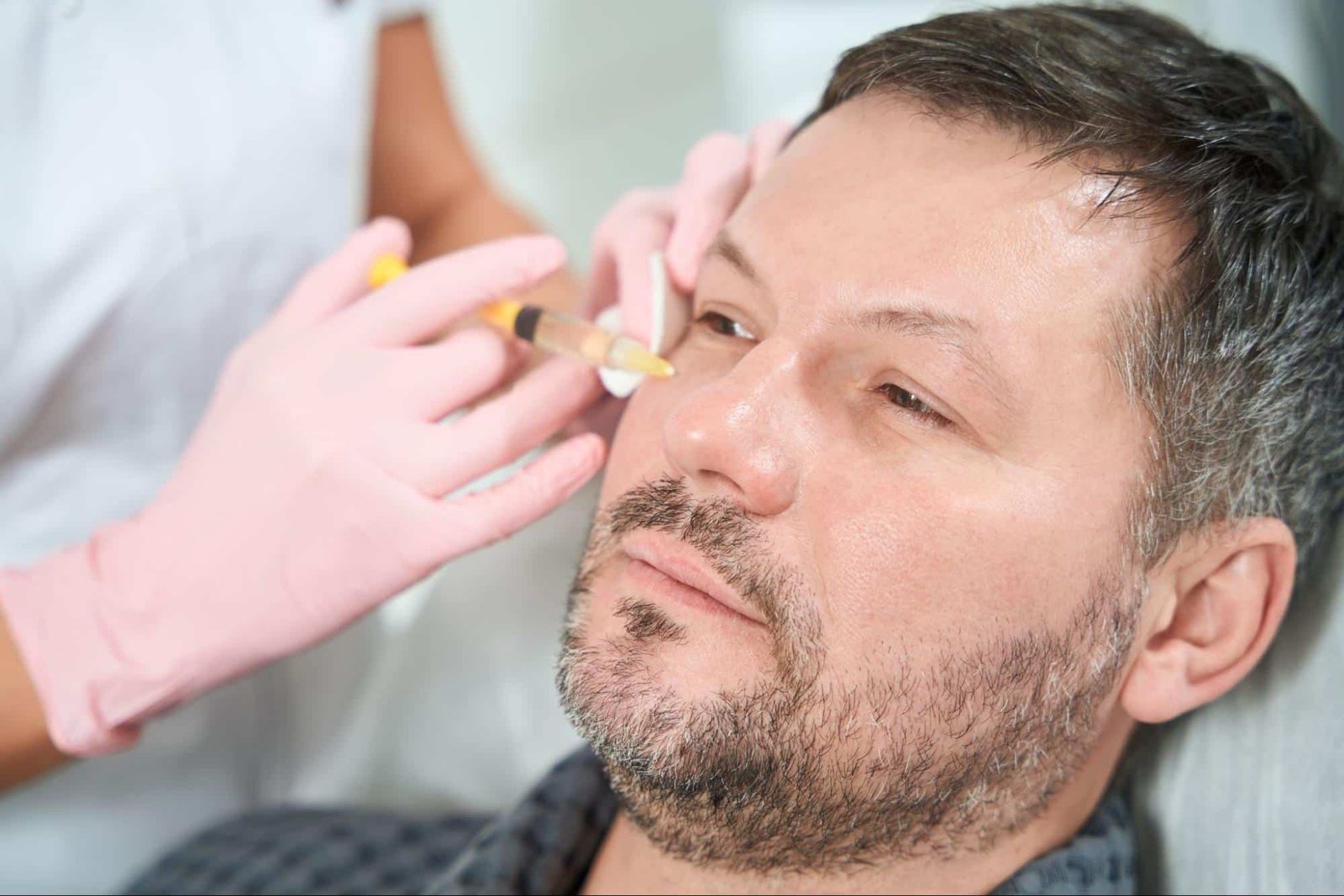
Prepare With Screening And A Medication Review
A good intake often includes:
- Past Botox/filler history and any issues
- Allergies or prior reactions
- Relevant medical conditions (including swallowing or breathing problems)
- Current medications
Your provider may also discuss bruising risk and what to avoid when appropriate and cleared by your prescribing clinician.
Understand Technique, Dosing, And Product Verification
A safe visit usually includes:
- A clean, clinical environment
- Proper skin prep and sterile technique
- A clear plan for dosing and placement
- Willingness to confirm authentic, FDA-approved product and explain handling
Follow Aftercare And Watch Results Over The Next 2 Weeks
For the first 24–48 hours, many providers recommend:
- Don’t rub or massage treated areas
- Avoid intense heat exposure and heavy workouts right away
- Skip facials or aggressive skin treatments immediately after
Results build over several days, with full effect around two weeks. Many practices offer a 2-week follow-up to assess symmetry and discuss touch-ups if needed.
Find Safer Care With A Smart Strategy
Choose clinics that operate like medical practices, not pop-up retail.
Look For Oversight, Emergency Planning, And Follow-Up
Look for:
- Clear medical oversight (who supervises injectors)
- A plan for adverse reactions
- Basic emergency readiness
- Follow-up availability within the first two weeks
Maintain Results With A Long-Term Plan
Many people re-treat every 3–4 months.
Keep It Natural By Avoiding Over-Treatment
A safer approach often looks like:
- First session: conservative dose and careful mapping
- Two-week check: small adjustments if needed
- Ongoing: consistent plan every few months
What To Do If You Don’t Like Your Results
- Contact your injector and explain concerns (photos if requested)
- If it’s early, wait—results can keep changing for up to two weeks
- Asymmetry at two weeks can often be improved with a small touch-up
If you have trouble swallowing, breathing issues, or widespread weakness, seek medical care immediately.
Conclusion
So, is Botox safe in Weslaco, TX? In most cases, yes—when it’s FDA-approved Botox, used at appropriate doses, and administered by a qualified, licensed injector who performs proper screening and follows medical-grade technique.
To make it safer, focus on fundamentals: verified product, strong credentials, a real consultation, and a clinic that supports you after the appointment. If you’re looking for compassionate, expert primary care you can trust in the area, Davila’s Clinic PLLC is a dedicated provider for comprehensive healthcare services. Reach the clinic at 412 E 18th ST STE E, Weslaco, TX 78596, call (956) 520-7050, or email davilasclinic@davilasclinic.com.
Is Botox safe in Weslaco, TX?
Yes—Botox is generally safe for most healthy adults when it’s FDA-approved onabotulinumtoxinA, properly stored, and injected by a licensed, experienced medical professional. Most safety issues come from avoidable factors like counterfeit product, poor technique, or inadequate screening. Choosing a reputable Weslaco clinic with clear medical oversight is key.
What are the most common Botox side effects?
Common side effects are usually mild and temporary: redness, swelling, tenderness, bruising, and sometimes a short-lived headache or “heavy” feeling in the treated area. These often resolve within hours to a few days. Your provider should review what’s normal for you and what symptoms would require urgent medical attention.
Can Botox spread and cause serious complications?
The FDA includes a boxed warning about rare “distant spread” effects (like generalized weakness or swallowing/breathing problems). This is considered very uncommon, especially at typical cosmetic doses. Risk increases with higher doses and certain medical uses. Using authentic product and correct dosing/placement dramatically lowers the chance of serious complications.
How do I choose a safe Botox injector in Weslaco?
Look for a clinic that operates like a medical practice: transparent credentials, thorough intake, and clear aftercare. Ask if they use FDA-approved Botox, where it’s sourced, and whether they’ll show the vial/packaging. Strong options include board-certified dermatology/plastic surgery practices or experienced NPs/PAs working with appropriate physician oversight.
Is cheaper Botox riskier?
It can be. Pricing that’s far below local norms may signal over-dilution, rushed high-volume injections, or questionable sourcing. If you’re budgeting, it’s usually safer to treat fewer areas conservatively and adjust at a follow-up than to chase steep discounts.
Who should avoid Botox (or get medical clearance first)?
You may need to avoid Botox or get clearance if you have a neuromuscular disorder, significant swallowing/breathing issues, an infection at the injection site, or a history of allergy to botulinum toxin ingredients. Certain medications can interact as well. If you’re pregnant or breastfeeding, many providers recommend postponing elective cosmetic Botox.
How long does Botox take to work and how long does it last?
Most people see results start in 3–7 days, with peak effect around 1–2 weeks. Results commonly last 3–4 months, though it varies by muscle strength, dose, and metabolism. Many clinics schedule a two-week check to assess symmetry and decide if a small touch-up is appropriate.
What should I do after Botox to reduce risks?
For the first 24–48 hours, avoid rubbing or massaging treated areas, skip intense heat exposure, and hold off on strenuous workouts per your provider’s instructions. Follow any positioning guidance your injector gives. If you develop severe symptoms like trouble breathing, swallowing, or widespread weakness, seek immediate medical care.
What’s the difference between Botox and “Botox alternatives” like Dysport or Xeomin?
Botox, Dysport, and Xeomin are all FDA-approved neuromodulators, but their dosing and formulation differ—units are not interchangeable. A qualified injector will choose the right product based on your anatomy and goals and will dose appropriately. Safety depends less on the brand and more on authentic product, correct technique, and proper medical screening.
How many units of Botox are “normal” for cosmetic treatment?
There isn’t one universal number because dosing depends on your muscles, facial anatomy, and goals. As a reference, the FDA-approved dose for glabellar lines is often cited as 20 units, but total cosmetic dosing commonly ranges wider when treating multiple areas. A safe plan is typically conservative at first, then refined at follow-up.