
You’ve probably heard the term “primary care provider” more times than you can count. But when it comes down to it, what does a primary care provider actually do on a day-to-day basis? And more importantly, how does having one make a difference in your health?
Whether you’re new to the area, haven’t had a check-up in a while, or you’re simply looking for a medical home you can trust, understanding the role of a primary care provider is a great first step. In this text, we’ll walk through what a primary care provider is, the types of services they offer, when you should schedule a visit, and how this kind of ongoing relationship can support your long-term well-being.
Who Is a Primary Care Provider?
A primary care provider is a healthcare professional who serves as your main point of contact for non-emergency medical needs. This can include physicians, nurse practitioners, or physician assistants trained in family medicine, internal medicine, or general practice.
Think of your primary care provider as the person who knows your health history, understands your concerns, and helps guide your care over time. They’re often the first person you see when something doesn’t feel right, and the one who coordinates your care if you ever need a specialist.
For families here in Weslaco and across the Rio Grande Valley, having a local primary care provider means you don’t have to travel far or start from scratch every time a health concern comes up. It means there’s someone nearby who already understands your background, your family history, and the unique health needs of our community.
At Davila’s Clinic, we approach primary care with this kind of continuity in mind. Our goal is to be a trusted resource, someone you feel comfortable turning to whether it’s for a routine question or a more involved health concern.
Common Services Offered by a Primary Care Provider
Primary care covers a broad range of services. It’s not just about being sick and needing a prescription. A primary care provider can help with everything from staying healthy to managing conditions that require ongoing attention.
Preventive Care and Wellness Visits
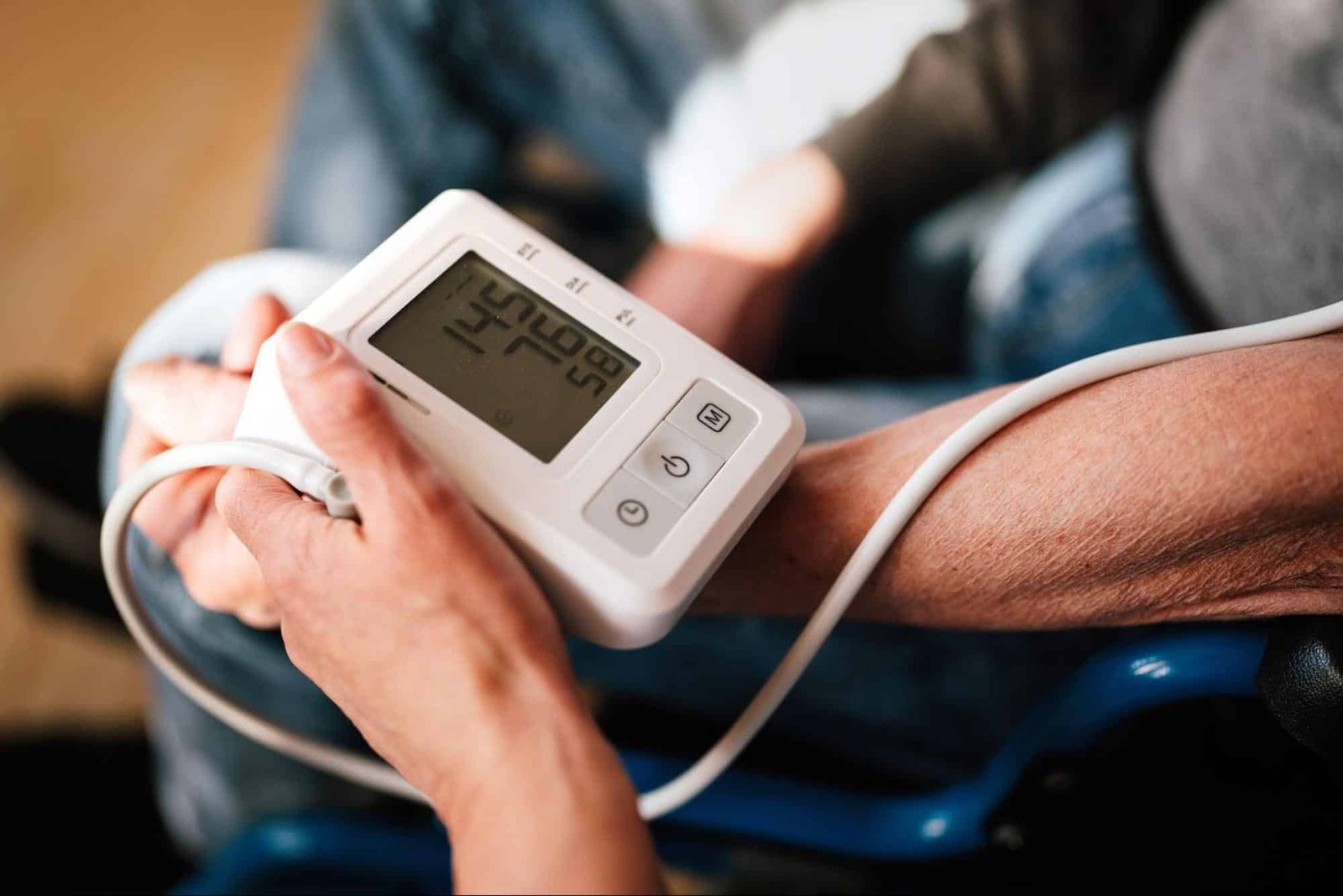
Preventive care is one of the most valuable things a primary care provider offers, and it’s often the most overlooked. Annual wellness visits, routine bloodwork, blood pressure checks, and age-appropriate screenings can catch potential problems early, sometimes before symptoms even appear.
These visits also give you a chance to ask questions. Maybe you’ve been feeling more tired than usual, or you’re wondering if a new symptom is worth worrying about. A wellness visit is the right setting for that kind of conversation.
Other preventive services may include:
- Vaccinations and immunizations
- Health risk assessments
- Screenings for conditions like diabetes or high cholesterol
- Patient education on nutrition, exercise, and lifestyle habits
You can explore the full range of primary care services we offer to get a better sense of what’s available.
Chronic Condition Management
If you’re living with a condition like high blood pressure, diabetes, thyroid issues, or asthma, your primary care provider plays a central role in helping you manage it. This means regular check-ins, medication adjustments when needed, lab monitoring, and practical guidance for day-to-day management.
Chronic conditions don’t go away after one visit. They require consistency. And that’s really where having a primary care provider makes the biggest difference, you’re not explaining your history from scratch each time. There’s a plan in place, and it evolves as your needs change.
For many patients in the Rio Grande Valley, managing chronic conditions is a family affair. We understand that, and we work to make care accessible and straightforward so you can stay on track.
When To See a Primary Care Provider

You don’t need to wait until something feels seriously wrong. In fact, some of the most important visits happen when you feel fine.
Here are a few common reasons people schedule an appointment with a primary care provider:
- You’re due for an annual physical or haven’t had a check-up in over a year
- You have a new symptom that’s been lingering, fatigue, headaches, joint pain, digestive issues
- You need help managing a chronic condition or adjusting medications
- You want to discuss lab results or follow up after a hospital visit
- You need a referral to a specialist
- You’re looking for guidance on staying healthy as you get older
If you’re unsure whether your concern warrants a visit, it almost always does. A quick appointment can provide peace of mind or help you catch something early.
We encourage patients to view their primary care provider as someone they check in with regularly, not just someone they see when they’re sick. To learn more about the services available or to schedule a visit, reaching out is always a good first step.
How a Primary Care Provider Supports Long-Term Health
One of the biggest advantages of having a primary care provider is the relationship itself. Over time, your provider gets to know you, not just your chart, but your goals, your concerns, and what matters most to you.
This kind of relationship supports better outcomes. Studies consistently show that patients with a regular primary care provider tend to have fewer emergency room visits, better management of chronic conditions, and higher overall satisfaction with their care. It’s not magic, it’s consistency and trust.
A primary care provider also helps you navigate the healthcare system. If you need imaging, lab work, or a referral to a specialist, your provider can coordinate those steps so you’re not left figuring it out alone.
For families in Weslaco, having that kind of support close to home matters. You shouldn’t have to drive across the Valley just to get reliable, ongoing medical care. At Davila’s Clinic, we believe everyone deserves a provider who listens, follows up, and treats the whole person, not just the symptom in front of them.
Conclusion

A primary care provider does more than treat illness. They help you prevent it, manage it, and plan for a healthier future. Whether you need a routine check-up, support for a chronic condition, or just a trusted medical home, primary care is where it all starts.
If you’ve been putting off that appointment or you’re looking for a provider who truly gets to know you, now’s a great time to take that step. Contact us to schedule a visit, we’re here to support your health, one visit at a time.
What does a primary care provider do on a daily basis?
A primary care provider diagnoses and treats common illnesses, manages chronic conditions, and provides preventive care services. Daily tasks include conducting physical exams, ordering lab tests, prescribing medications, and coordinating referrals to specialists. They also counsel patients on lifestyle modifications, review medical histories, and ensure continuity of care across all aspects of a patient’s health journey.
Can a primary care provider prescribe medications?
Yes, primary care providers are licensed to prescribe a wide range of medications. They can prescribe treatments for infections, chronic conditions like diabetes and hypertension, mental health issues, and pain management. However, certain controlled substances or specialized medications may require consultation with a specialist. Your PCP ensures prescriptions are safe and appropriate based on your complete medical history.
How often should I visit my primary care provider?
Adults should visit their primary care provider at least once a year for an annual wellness exam. However, those with chronic conditions may need more frequent visits—every three to six months. Children and seniors often require additional checkups. Regular visits help detect health issues early, update vaccinations, and maintain an ongoing relationship with your healthcare provider.
Alt text: face masks and stethoscope
What is the difference between a primary care provider and a specialist?
A primary care provider offers comprehensive, general healthcare for patients of all ages and addresses a wide range of conditions. Specialists focus on specific body systems or diseases, such as cardiology or dermatology. Your PCP serves as your first point of contact and coordinates care by referring you to specialists when advanced or focused treatment is necessary.
Do I need insurance to see a primary care provider?
While health insurance makes primary care more affordable, it’s not always required. Many clinics offer sliding-scale fees, cash-pay discounts, or payment plans for uninsured patients. Community health centers and federally qualified health centers provide care regardless of insurance status. Having a primary care provider is essential for maintaining health, so explore all available options in your area.
Can a primary care provider treat mental health issues?
Yes, primary care providers can diagnose and treat common mental health conditions like anxiety, depression, and stress-related disorders. They may prescribe antidepressants or anti-anxiety medications and provide counseling referrals. For complex psychiatric conditions, your PCP will refer you to a mental health specialist. Many patients prefer discussing mental health with their trusted primary care provider first.
What should I bring to my first primary care appointment?
Bring your photo ID, insurance card, and a list of current medications including dosages. Prepare your medical history, including past surgeries, allergies, and family health conditions. Write down any symptoms or concerns you want to discuss. Having previous medical records or test results available helps your new primary care provider understand your health background and create an effective care plan.
How do I choose the right primary care provider?
Consider factors like location, office hours, accepted insurance plans, and the provider’s communication style. Check credentials and read patient reviews online. Decide whether you prefer a physician, nurse practitioner, or physician assistant. Schedule a meet-and-greet appointment to assess comfort level. Choosing a primary care provider you trust ensures a productive, long-term healthcare partnership focused on your wellness.