
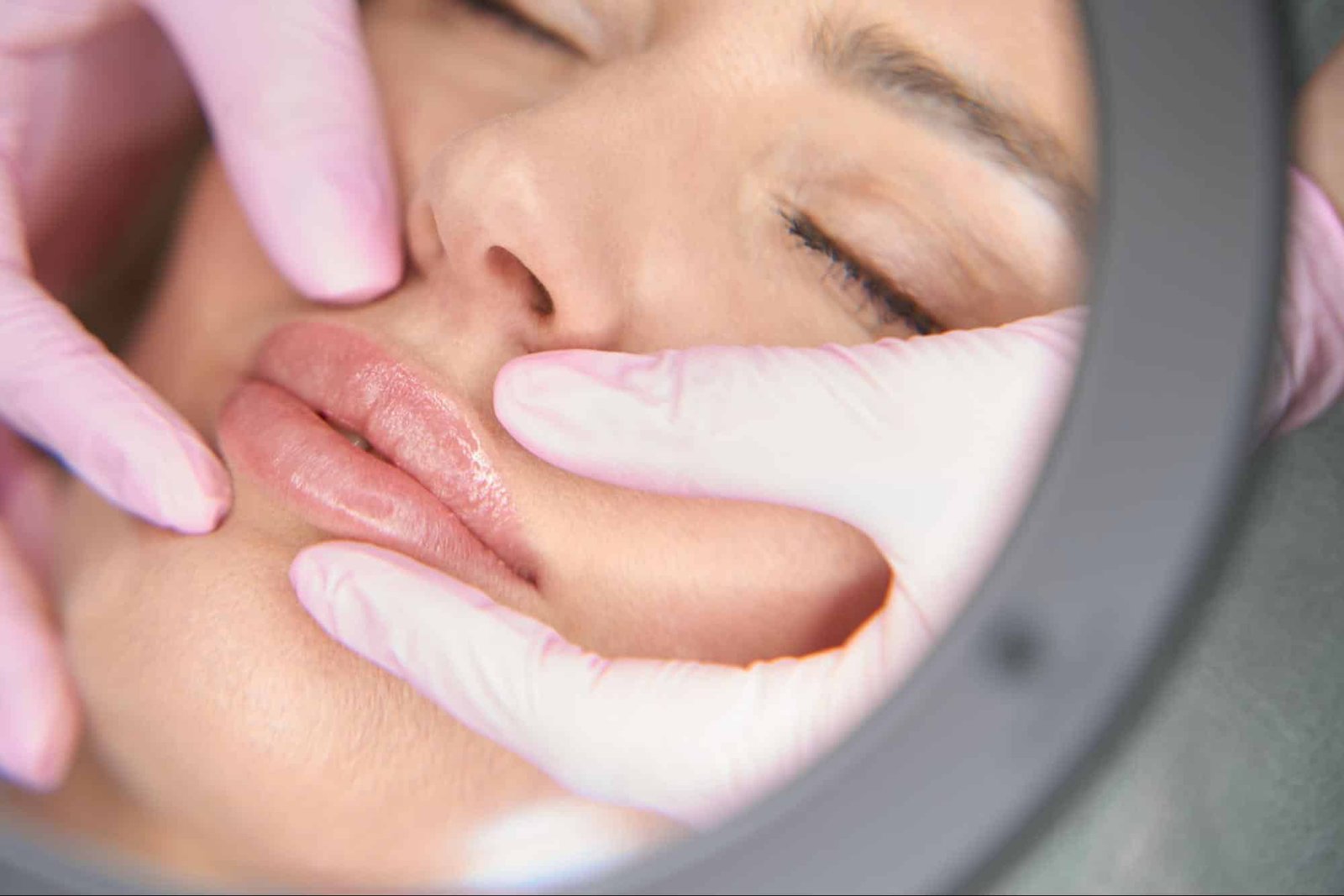
Asking “how long do dermal fillers last” is really another way of asking, “How long will I feel like the best version of myself?” And that’s a smart question. The truth is there isn’t one universal number because the most natural, most beautiful results are always personal.
For most people, dermal fillers land in a meaningful window of time: long enough to enjoy, settle into, and make part of your look, yet flexible enough to evolve as you do. Think of it less like something that “runs out,” and more like something that gradually softens, blends, and fades in a way that mirrors real life.
What “Lasting” Really Means
When people talk about fillers “lasting,” they’re usually describing two different experiences:
- How long the filler remains present in the tissue
- How long you still see the effect you care about: the lift, the balance, the softness, the refreshed shape
Those two timelines don’t always match. Sometimes the product is still there, but the impact becomes subtler as your face moves through months of expression, seasons, and normal change.
Why Longevity Varies (And Why That’s a Good Thing)

Fillers don’t last the same amount of time for everyone, and that’s not a flaw. It’s part of what makes modern injectables feel more customizable than “one-and-done” solutions.
A few big-picture factors influence how long you’ll enjoy your result:
The Type of Filler Chosen
Different fillers are designed for different goals. Some prioritize softness and flexibility. Others focus on structure and support. Some are built for subtle refinement, while others are meant to feel more foundational. The best choice isn’t the one that lasts the longest. It’s the one that fits the story your face is telling.
Where It’s Placed
Some areas of the face are constantly in motion. Others are calmer and more supportive. That movement matters because it influences how quickly results appear to soften over time.
Your Individual Rhythm
Your body has its own pace. Some people hold results longer; others notice a quicker fade. Neither is “right” or “wrong.” It’s simply personal biology, and it’s why the best aesthetic care always includes a plan instead of a single appointment.
A Realistic Range (Without Overpromising)
In most everyday, real-world situations, dermal fillers last in a broad range, long enough to feel worthwhile, but not so permanent that you’re locked into a look that no longer feels like you.
What matters most is not chasing the maximum number of months. It’s creating a result that stays believable, flattering, and aligned with your features as time moves forward.
How It Typically Feels Over Time
One reason people get confused about longevity is that filler results aren’t static. The experience tends to unfold in phases:
Early Phase: Settling In
Right after treatment, you may look slightly “more” than you expected—because your body is adjusting. Then things settle and soften into something that looks more like you, just more rested and refined.
The Sweet Spot
There’s a window where everything feels effortless: features look balanced, light hits your face in a more flattering way, and you stop thinking about the treatment because it simply looks natural.
Gradual Softening
Fillers don’t usually disappear suddenly. The change is slow and subtle. Often, you don’t notice day-to-day. You notice it when you compare photos, when your makeup sits differently, or when you catch a familiar shadow returning.
The Most Aspirational (and Smart) Way to Think About Maintenance
If you love your result, the best approach is rarely to wait until it is completely gone. Most people who consistently look “naturally refreshed” do not do dramatic cycles of full-on, full-off.
They do something more understated: a light, strategic refresh that keeps the look continuous. That is how results stay elegant rather than obvious, and how you stay in control of your appearance instead of reacting to it.
Making Results Last Without Forcing It
There is a difference between supporting your results and trying to make filler do something it was not meant to do. The goal is not to “stretch” your filler indefinitely. The goal is to keep your face looking healthy, balanced, and current.
The biggest longevity advantage usually comes from:
- Choosing the right approach for your features
- Keeping things subtle and intentional
- Working with someone who plans for the long term, not just the day-of result
When Fillers Do Not Last as Long as You Hoped
Sometimes people feel like their filler “didn’t last” when what actually happened is that the most noticeable part of the result, like swelling or initial fullness, faded first, and the remaining effect became more natural.
Other times, it is simply a sign that your face needs a different strategy. Less about “more filler,” and more about smarter placement, a different product style, or a plan that builds in stages.
Reversibility and Flexibility (Peace of Mind)
One of the most reassuring parts of many modern filler options is that you are not trapped in a decision. If you ever feel like something is not right, or your aesthetic goals shift, you have options. The best outcomes are not just about how you look right after treatment. They are about feeling confident that your choices remain adaptable.
Conclusion
In real life, dermal fillers last in a broad, practical range, and the best results are the ones that do not feel like a “procedure.” They feel like you, with better balance, softer shadows, and a more refreshed version of your natural structure.
Instead of chasing the longest-lasting filler, aim for the most you-shaped outcome: a thoughtful result that evolves gracefully, with a maintenance rhythm that supports your face as it changes. If you’re considering treatment, working with an experienced provider and a plan tailored to your features (like the approach at Davilas Clinic) is what keeps filler looking aspirational, not artificial.
FAQ on How Long Do Dermal Fillers Last
How long do dermal fillers last on average?
Most dermal fillers last about 6 months to 2 years. It depends on the type of filler, where it’s placed, and how quickly your body breaks it down. For example, filler in the lips usually fades sooner because that area moves a lot, while filler in the cheeks can last longer. Your provider’s technique and your day-to-day habits can also make a difference—so it helps to discuss product choice and placement during a personalized visit or consultation (you can reach the team via their contact page).
Which dermal filler lasts the longest?
In general, firmer, longer-lasting fillers used for structure can last 12 to 24 months in areas like the cheeks or jawline. Some collagen-stimulating injectables may last 2+ years for certain people, but the results often appear more gradually. Keep in mind: even a long-lasting filler may fade faster in high-movement areas like the lips. If you want help matching the right option to your goals, exploring a clinic’s full menu of services can be a good starting point.
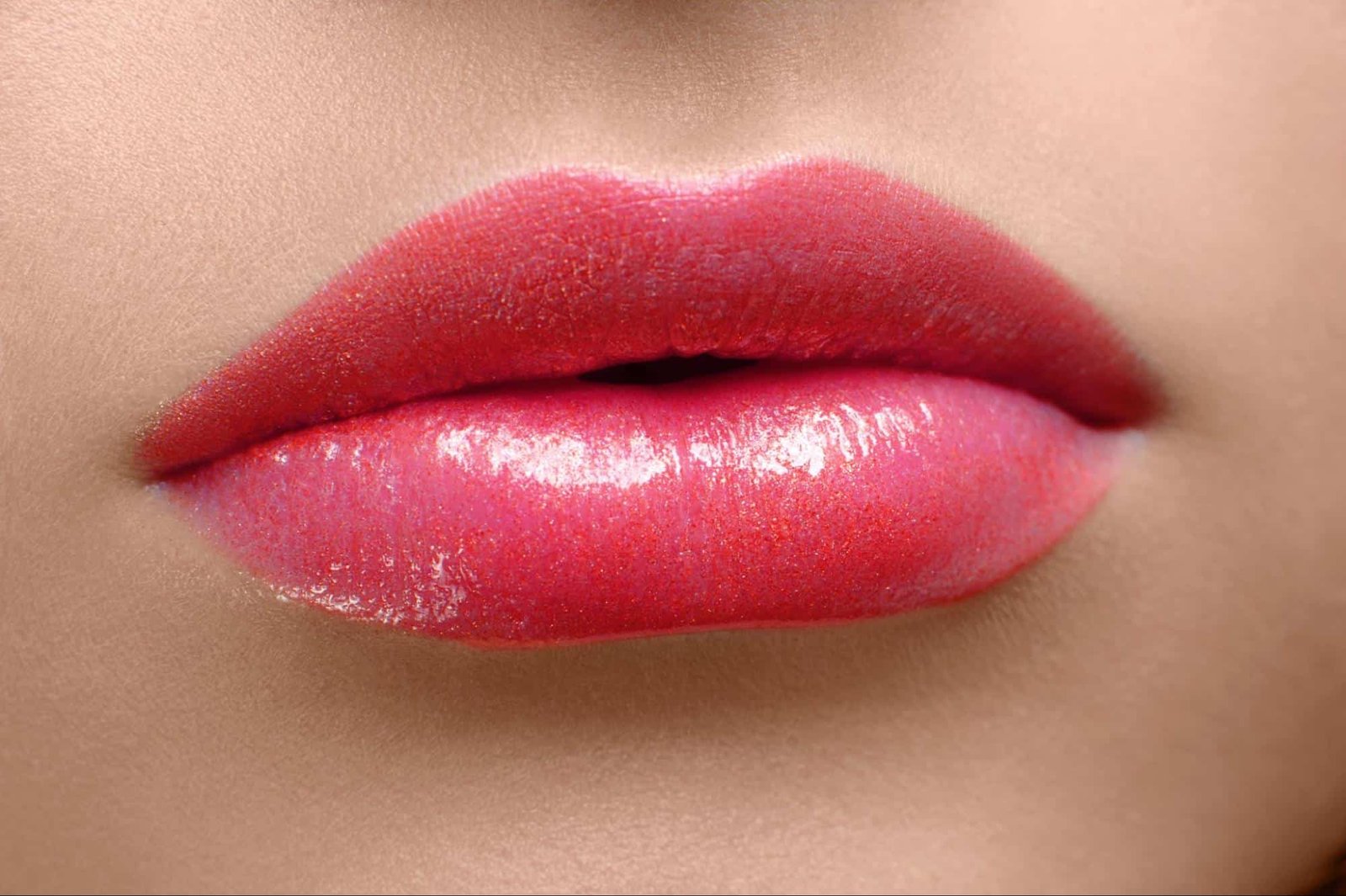
How long do lip fillers last?
Lip fillers usually last around 6 to 12 months. Lips move constantly, so filler tends to fade faster there. The exact timing depends on the product used, how much is injected, and how your body responds. Many people find that with repeat treatments, they can maintain their look with smaller touch-ups of cosmetic injections.
How long do cheek fillers last?
Cheek filler often lasts about 12 to 24 months. The cheeks don’t move as much as the lips, so filler typically holds longer. The type of filler and your body’s natural breakdown rate also matter. Most patients maintain results with occasional touch-ups.
How long do under-eye fillers last?
Under-eye filler can last 9 to 18 months, sometimes longer. Because the area doesn’t move as much, results can be fairly long-lasting. However, under-eye filler needs careful placement, and it isn’t right for everyone. A conservative, gradual approach is usually best.
How long do jawline and chin fillers last?
Jawline and chin fillers commonly last 12 to 24 months, especially when firmer fillers are used to add definition. These areas usually handle thicker products well and don’t move as much as the mouth area. How long it lasts also depends on your goals and how much product is used.
Do dermal fillers dissolve faster if we exercise a lot?
They can. Some very active people notice fillers fade a bit sooner, possibly because of a faster metabolism. This isn’t true for everyone, but it can happen, especially with lip filler. Things like frequent sauna use, major weight changes, and your natural metabolism may also affect how long filler lasts.
When should we get filler touch-ups?
A good guideline is to check in when you notice your results starting to soften, often around 6 to 12 months for lips and 12 to 18 months for cheeks or jawline. Touch-ups are usually smaller than the first appointment and can help you keep a steady look. If you have an event coming up, plan ahead since mild swelling or bruising can happen. Many people combine touch-ups with other skin-refreshing treatments from a med spa and aesthetics menu to keep results looking balanced and natural.
Can dermal fillers be reversed if we don’t like them?
Many hyaluronic acid (HA) fillers can be dissolved using an enzyme called hyaluronidase. This can help if you feel too full, uneven, or simply don’t like the result. However, not every filler can be reversed, so it’s important to confirm what product is being used.
What makes filler results fade faster (or last longer)?
How long filler lasts depends on the type of filler, where it’s placed, and your body’s natural metabolism. Areas that move a lot (like the lips) usually fade faster, while areas like the cheeks and chin tend to last longer. Smoking, heavy exercise, and major weight loss may shorten results for some people. Choosing the right filler for each area, and doing small maintenance touch-ups, can help results last longer.