If you’ve ever searched for a “licensed aesthetic provider Weslaco TX,” you’ve probably noticed how quickly the options can blur together. Med spa, aesthetic studio, injector, provider—different names, similar promises, and not always clear information.
In our clinic, we hear the same questions again and again: Is this person actually licensed? Who’s supervising? What happens if something doesn’t go as planned? This post will walk through what “licensed” means in Texas, which treatments require medical oversight, what to look for before you book, and the red flags that should make you pause.
What “Licensed Aesthetic Provider” Means In Texas
When someone says they’re a licensed aesthetic provider, it should mean they hold an active professional license recognized by the State of Texas and they’re practicing within that license’s legal scope. In aesthetics, job titles can be used loosely—that’s why it helps to know what you’re actually looking at.
In Texas, licensing is handled through state boards (for example, the Texas Board of Nursing or Texas Medical Board). A provider’s license tells you what they’re trained and allowed to do, and it creates accountability through professional standards they must follow.
Common Licenses You May See
Here are common credentials patients may encounter when looking for aesthetic care in Weslaco and the Rio Grande Valley:
- Physician (MD/DO): Licensed to diagnose and treat medical conditions and perform medical procedures.
- Nurse Practitioner (NP/APRN): Advanced practice nurse licensed to provide medical care, including aesthetic services when trained appropriately.
- Physician Assistant (PA): Licensed clinician who practices medicine with physician collaboration/supervision as required.
- Registered Nurse (RN) / Licensed Vocational Nurse (LVN): May be involved in aesthetic care depending on the treatment, training, and required supervision.
- Licensed Aesthetician (Esthetician): Licensed for non-medical skincare services (like certain facials). This is not a medical license.
If you’re unsure which category a provider falls into, ask directly or look them up through the appropriate Texas licensing board.
Why Licensing Matters For Safety And Results
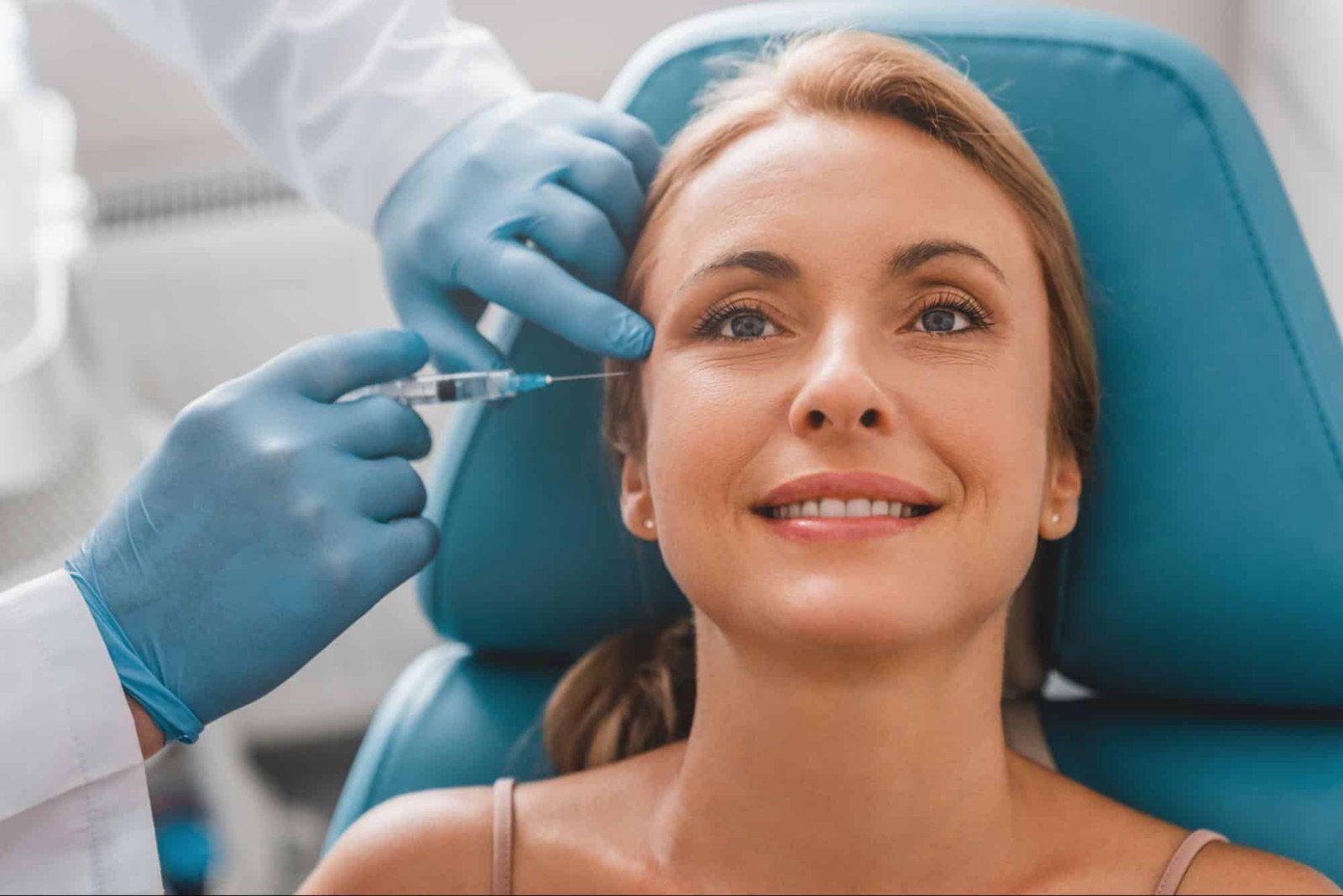
Aesthetic treatments involve your skin, health history, and sometimes medications or devices that can cause side effects.
Licensing matters because it typically means the provider:
- Has completed regulated education and clinical training
- Must follow infection control and documentation standards
- Is accountable to a professional board
- Understands contraindications (reasons a treatment may not be safe for you)
A properly trained, supervised clinician is more likely to choose the right treatment, use products correctly, and recognize early signs of complications. That’s the core of safe aesthetics: good judgment, strong technique, and a plan if your body doesn’t respond as expected.
Which Aesthetic Services Typically Require Medical Oversight
Aesthetics includes a wide range of services—from non-medical skincare to clearly medical treatments. When choosing a licensed aesthetic provider in Weslaco, TX, it helps to sort services into two buckets: those involving prescription products/injectables and those involving medical devices or deeper procedures.
Injectables And Prescription Treatments
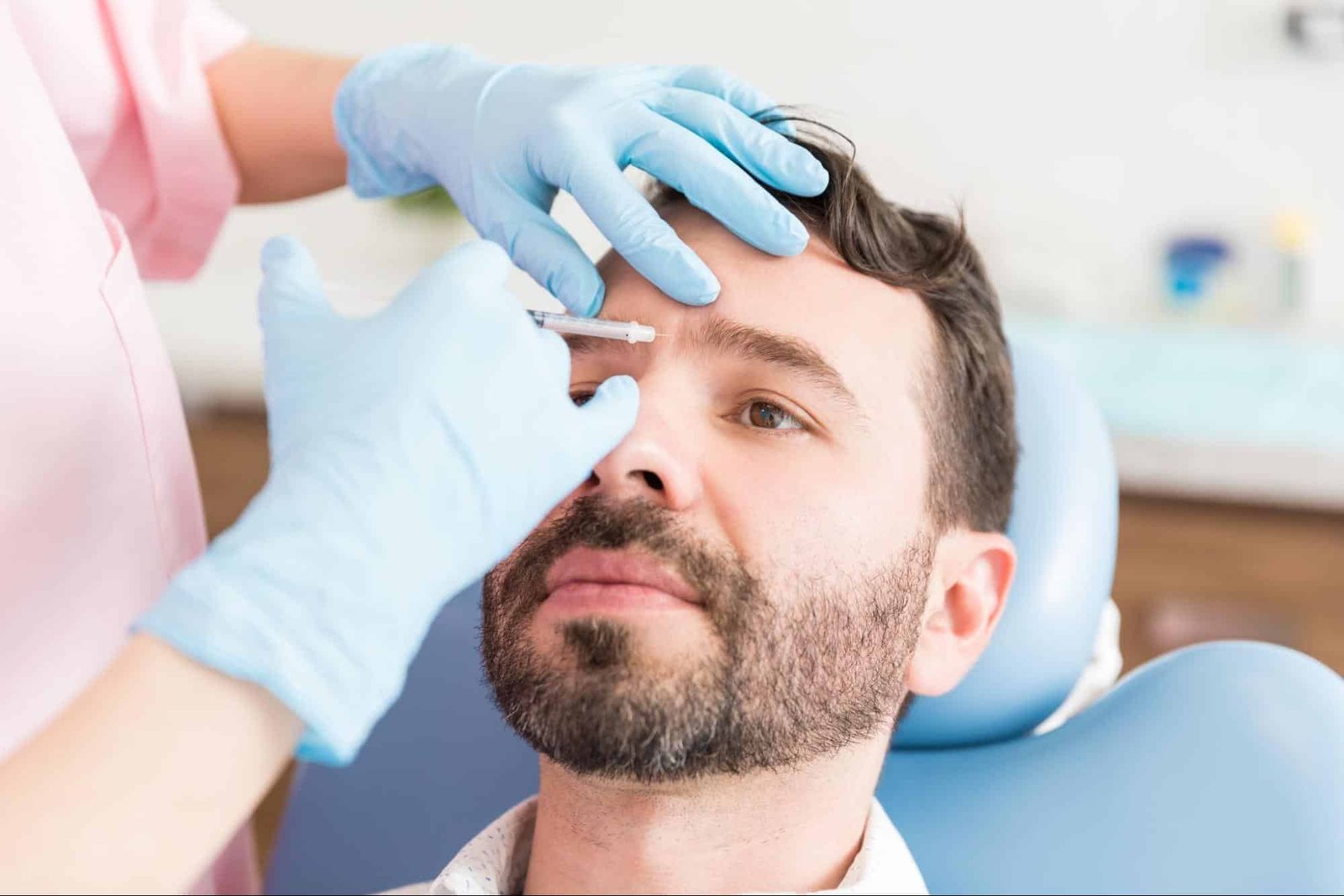
Injectables are the most common reason patients seek a medically licensed provider. Examples include:
- Neuromodulators (commonly known by brand names like Botox or Xeomin)
- Dermal fillers (hyaluronic acid fillers are common)
- Any treatment involving a prescription-only product
These services require knowledge of anatomy, dosing, sterile technique, and how to handle unexpected reactions.
At Davila’s Clinic PLLC, we review your medical history, discuss your goals, and focus on natural-looking results that fit your overall health picture. We use products like Xeomin and Revanesse Versa+ / Revanesse Lips+ when appropriate through our med spa and aesthetics services.
Device-Based Treatments And Skin Procedures
Device-based treatments can vary from fairly gentle to more involved. Medical oversight may be important for:
- Treatments creating controlled injury to the skin (to stimulate remodeling)
- Procedures with higher risk of burns, pigment changes, scarring, or infection
- Services requiring strong pre-screening for skin type, medications, and history
If you have a history of keloids, hyperpigmentation, cold sores, autoimmune disease, or you’re on blood thinners, it’s especially important that your provider knows what to ask and when to modify the plan.
A good rule of thumb: if a service sounds “strong,” involves numbing, involves breaking the skin, or has meaningful downtime, you’ll want a medical-grade intake process and a clear follow-up plan.
What To Look For In A Weslaco Provider Before You Book
A little upfront screening can save you stress later. Here’s what we recommend looking for before booking with any Weslaco aesthetic provider.
Credentials, Experience, And Scope Of Practice
Start with the basics:
- What is the provider’s license? (NP, PA, MD/DO, RN, aesthetician, etc.)
- Do they have specific training in the service you want?
- Do they stay in their scope? A trustworthy provider will tell you what they do and what they don’t do.
Look for experience that feels real, not just social media volume. Before-and-after photos can be helpful, but evidence of consistent technique, conservative planning, and individualized results matters more.
Clean Facility Standards And Infection Control
A reputable clinical setting should have:
- Hand hygiene and gloves when appropriate
- Proper sharps disposal containers
- Clean, organized treatment areas
- Single-use or properly sterilized tools
- Products stored and handled appropriately
If something feels improvised—supplies scattered around, no clear sanitation process, or treatments in spaces not designed for clinical care—it’s okay to step back.
Medical Intake, Consent, And Clear Aftercare Instructions
A medical-grade visit typically includes:
- A real intake: health history, medications, allergies, prior procedures, and goals
- Informed consent: what the treatment is, what it can and can’t do, and potential side effects
- Aftercare that’s easy to follow: plus guidance on what’s normal vs. what’s not
Choose a provider who documents your treatment well. Documentation helps continuity, especially for touch-ups or comparing how different approaches worked for you.
Questions To Ask At A Consultation
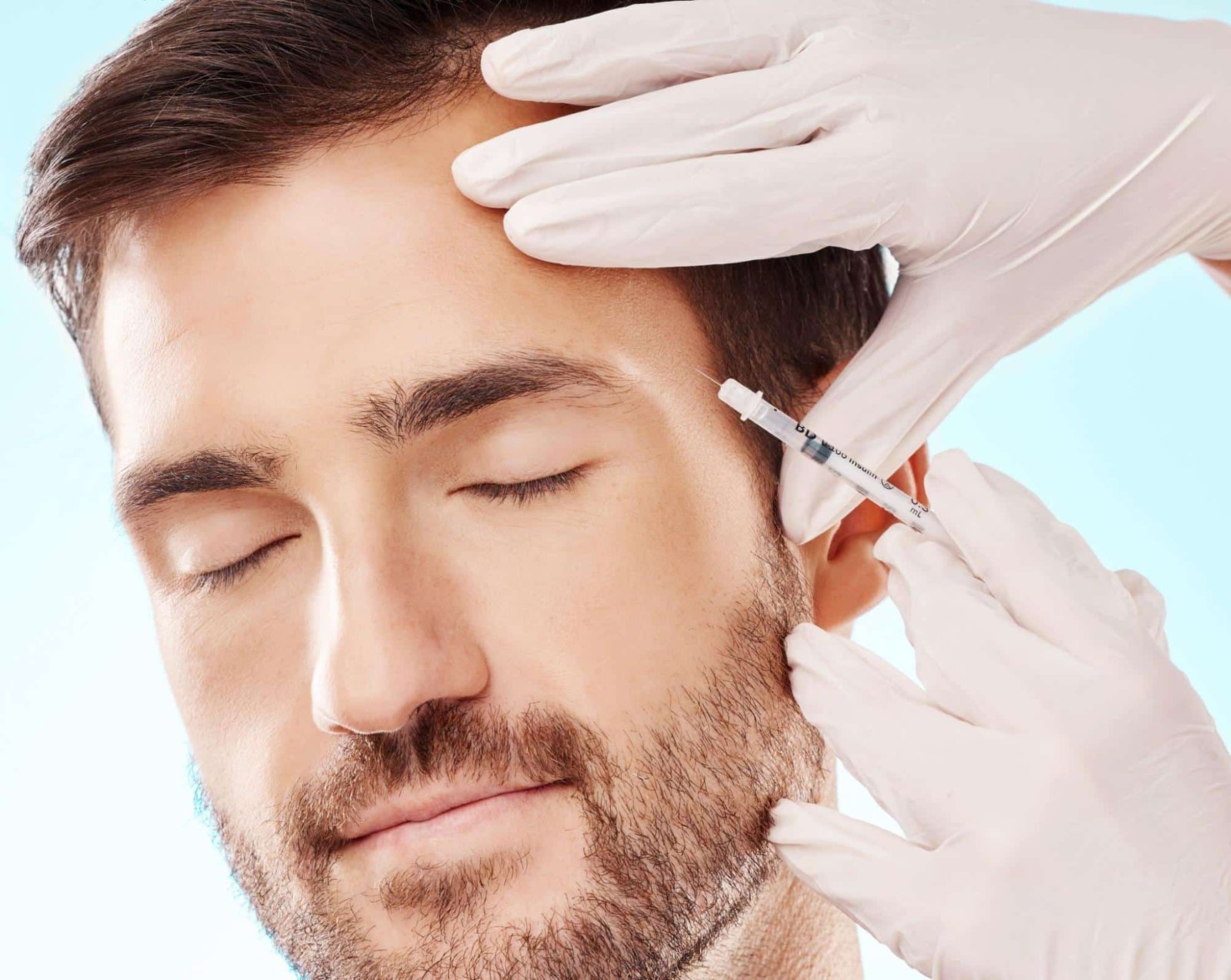
A consultation should feel like a calm, professional conversation where your questions are welcomed—not a sales pitch.
Who Will Perform The Treatment And Who Supervises?
Consider asking:
- “Who, specifically, will be doing the injections/procedure?”
- “What license do they hold?”
- “If there’s medical supervision involved, who is the supervising clinician and how are they available?”
You deserve to know who is treating you, not just the brand name of the clinic.
What Results Are Realistic For My Skin And Goals?
A good provider won’t promise perfection. We like to discuss:
- What change you can expect (softening lines, restoring volume, balancing facial features)
- What change you can’t expect (changing skin texture dramatically with the wrong tool)
- Whether your goal is better met with a different option or a slower plan
Sometimes the most professional answer is, “We can improve this, but let’s keep it natural and build gradually.”
How Are Side Effects, Complications, And Follow-Ups Handled?
Even when procedures are done correctly, side effects can happen. Ask:
- “What side effects are common, and how long do they usually last?”
- “If I’m worried after hours, how do I reach someone?”
- “Do you schedule follow-ups or check-ins?”
A safe clinic has a clear pathway for follow-up care.
Preparing For Your Appointment And Recovering Safely
A safe experience starts with preparation, and good aftercare is just as important as the treatment itself.
How To Get Ready For Treatment Day
Before your appointment:
- Bring a current medication list, including supplements
- Share your health history honestly (migraines, autoimmune conditions, cold sores, prior cosmetic work, allergies)
- Arrive with clean skin when possible
- Plan your timing if you have an event coming up—bruising or swelling can happen
If you bruise easily, tell your provider so we can discuss ways to reduce risk.
What To Expect After Treatment And When To Call
Mild and temporary effects can be normal after many aesthetic treatments:
- Redness
- Swelling
- Tenderness
- Minor bruising
Contact your provider promptly if you notice unusual or worsening symptoms—significant pain, spreading redness, fever, vision changes, or anything that worries you.
Conclusion
Choosing a licensed aesthetic provider in Weslaco, TX doesn’t have to be overwhelming. Focus on licensing, medical oversight, a clean clinical environment, and a provider who welcomes questions.
At Davila’s Clinic PLLC, we see aesthetic care as an extension of healthcare. We combine a primary care mindset with focused aesthetic training so treatment decisions stay grounded in safety and individualized goals.
If you’d like to talk through options, schedule a visit with us at 412 E 18th St Ste E, Weslaco, TX 78596, call (956) 520-7050, or email davilasclinic@davilasclinic.com.
What does “licensed aesthetic provider” mean in Texas?
A “licensed aesthetic provider” should have an active, state-recognized professional license (such as MD/DO, NP/APRN, PA, RN/LVN, or esthetician) and practice within that legal scope. Licensing creates accountability through state boards and signals regulated education and safety standards.
How can I verify a licensed aesthetic provider in Weslaco, TX before booking?
Ask what license they hold and look them up on the appropriate Texas licensing board. A legitimate clinic will confirm who performs the treatment, who supervises if required, and provide clear documentation, consent, and aftercare instructions.
Which treatments usually require medical oversight from a licensed aesthetic provider in Weslaco, TX?
Injectables and prescription-only treatments typically require medical oversight—examples include neuromodulators and dermal fillers. Procedures using stronger devices or creating deeper skin injury may also need medical screening.
What are the biggest red flags when choosing a licensed aesthetic provider in Weslaco, TX?
Be cautious of pressure tactics, “zero risk” claims, unrealistic promises, vague pricing, undisclosed product brands, and little medical intake. Red flags also include unclear supervision, poor sanitation, or no plan for complications.
What should I ask at a consultation with a licensed aesthetic provider?
Ask who will perform the procedure, what license they hold, who supervises, what results are realistic, what side effects are common, and how follow-ups work.
How do I prepare for injectables, and what side effects are normal afterward?
Bring a current medication list, share your health history, and plan timing around events. Mild redness, tenderness, swelling, or minor bruising can be normal; contact your provider for worsening pain, spreading redness, fever, or vision changes.