
Independent primary care practices are proving that relationship-driven care and operational efficiency can work hand in hand. While larger systems often expand through scale and technology, smaller practices are doubling down on trust, continuity, and thoughtful scheduling to deliver better outcomes.
Here’s what stands out from these leaders:
- Physician ownership reduces fragmentation and repeated testing
- Longer, structured visits improve clarity and reduce follow-ups
- Whole-person care strengthens long-term trust
- Consistent care teams prevent patients from repeating their stories
- Smart use of telehealth and secure messaging improves access without sacrificing connection
Together, these approaches show how independent primary care practices are blending personal relationships with practical systems to stay efficient and accessible.
Physician Ownership Builds Continuity and Efficiency
Dr. Gregg Feinerman, Owner and Medical Director at Feinerman Vision, explains it this way:
“By definition, continuity means fewer fragmented access points. Independently-owned care improves continuity by narrowing the portals through which patients can enter the system. Contrary to popular opinion, which promises more portals mean better access, adding digital infrastructure often fragments care and diffuses responsibility. Ownership matters. When care is directed by a physician or a small group of physicians, there is less repeated testing and medical opinion.
Restrictive doesn’t mean less efficient. Conventional wisdom will tell you in order to maximize efficiency you need to see as many patients as possible, when in reality blocking off chunks of your schedule for initial evaluations and follow ups can create superior continuity while maintaining the same volume. Setting aside 45 minutes for evaluations and 20 minutes for focused follow ups has enabled me and my team of 3 to see wide regional demand without sacrificing accuracy. Limited to guided documentation and clear treatment protocols we see less repeat consults to clarify miscommunications. Turns out less confusion is efficient.”
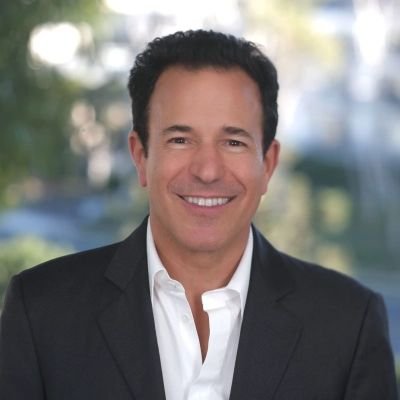
Dr. Gregg Feinerman FACS, Owner and Medical Director
His perspective challenges the idea that more portals equal better access. In many large systems, patients bounce between departments, digital platforms, and specialists. Each handoff increases the chance of miscommunication.
Independent primary care practices often simplify that structure. Fewer entry points mean clearer accountability. When a physician leads care directly, decisions stay centralized. Testing isn’t duplicated. Treatment plans remain consistent.
Dr. Feinerman also pushes back on the idea that speed equals efficiency. Longer initial visits can reduce total visits later. When evaluations are thorough and follow-ups are focused, patients leave with clarity. That clarity lowers repeat consults caused by confusion. Over time, that rhythm protects both quality and volume.
It’s a reminder that efficiency isn’t about rushing. It’s about reducing friction.

Small Practices Deepen Trust With Whole-Person Care
Christian Caswell of Top Chiro highlights the relational side:
“Among other medical providers, small primary care practices are improving quality and trust by adopting a relationship-based, whole-person model of care. It when you know the background of your patient, it is not just about knowing symptoms and signs, it’s also important to understand how they live and adapt treatment to the individual patient.
By treating the entire patient, we as chiropractors can deliver more individualised care and produce healthier results and stronger patient relationships. Trust held and the extent to which patients feel known and valued until the follow-up appointment, through open communication.
To remain efficient and available, many practices are implementing technology including electronic health records and telehealth services. These resources help to free up time and not only keep track of progress from wherever the patient is, but also provide care from a distance, but still with that human touch that patients love.”

Christian Caswell, Upper Cervical Chiropractor
Knowing a patient’s job, stress level, family life, and daily habits changes treatment decisions. Care becomes personal rather than protocol-driven.
That depth builds loyalty. Patients who feel known are more open. They share more accurate histories. They’re more likely to follow recommendations.
At the same time, small practices aren’t ignoring technology. Electronic health records and telehealth reduce administrative burden and expand reach. The key difference is how these tools are used. They support the relationship instead of replacing it.
Independent primary care practices that balance personal care with selective technology use tend to preserve both warmth and workflow.
Consistent Teams and Tech Strengthen Patient Trust
Jeremy Liesveld of Peak Performance Health and Wellness adds another layer:
“Independent primary care practices are leaning into what sets them apart from larger systems by focusing on relationship-driven, whole-patient care while still prioritizing efficiency and access. The core idea is simple: patients who feel truly seen and heard are more likely to stay engaged in their care, follow treatment plans, and trust clinical recommendations. That trust, in turn, improves continuity of care and overall outcomes.
One way we do this is by structuring our care team so patients see familiar faces. Whether it’s the physician, nurse practitioner, medical assistant, or care coordinator, we strive for consistency across appointments. When patients don’t have to repeat their story at every visit, it reinforces that we understand their history, preferences, and goals. That continuity strengthens trust and makes patients more comfortable sharing concerns that might otherwise go unspoken.
At the same time, we blend relationship-based care with modern tools to stay efficient and accessible. Telemedicine and secure messaging allow us to address follow-ups, medication questions, and minor concerns without requiring a full office visit. Pre-visit planning and care coordination help us anticipate needs, so visits are purposeful and productive. We also engage patients in their own care through education and shared decision-making, which enhances their confidence and adherence.
By combining personal connection with thoughtful use of technology and teamwork, we create a practice environment where patients feel supported without unnecessary red tape. It’s not just about being responsive; it’s about being relational, consistent, and adaptive to each person’s life and health needs. That balance is what improves continuity of care and fosters long-term trust in today’s healthcare environment.”

Jeremy Liesveld, Director of Physical Medicine
LinkedIn, Peak Performance Health and Wellness
Consistency matters more than many practices realize. When patients see the same team, conversations pick up where they left off. Details don’t get lost.
Technology helps here too. Secure messaging handles small issues quickly. Telemedicine removes travel barriers. Pre-visit planning makes appointments sharper and more focused.
Independent primary care practices that build stable teams and layer in smart systems create something rare. Patients feel known and supported without unnecessary bureaucracy.

Relationship-Driven Care Elevates Quality and Continuity
Michael Kazula of Olavivo summarizes the broader shift:
“Independent primary care practices are effectively addressing challenges in the healthcare landscape by adopting a relationship-driven and whole-patient approach. This model fosters long-term connections between patients and providers, emphasizing holistic care that accounts for physical, emotional, and social factors. As a result, these practices improve care quality, enhance continuity, and build patient trust, which are essential for retention and satisfaction.”

Michael Kazula, Director of Marketing
His point reinforces what the others describe in practice. Continuity isn’t accidental. It grows from long-term relationships. When care considers physical, emotional, and social factors together, treatment becomes more realistic and sustainable.
Independent primary care practices that stay small, consistent, and intentional often outperform larger systems in one critical area. Patients stay. They trust. They return.
Final Takeaway
Independent primary care practices are showing that continuity and efficiency don’t have to compete. Physician ownership, structured scheduling, consistent teams, and selective use of technology create a model where patients feel known and supported. Trust rises. Confusion drops. Care improves. In a field that often prioritizes scale, these practices are proving that relationships still drive results.