
Choosing who oversees your health is a personal decision, and for a lot of people in the Valley, it comes with some real questions. Can a nurse practitioner be my primary care provider? The short answer is yes, and for many patients, it turns out to be one of the best decisions they make for their health.
At Davila’s Clinic PLLC, patients get direct, consistent care from Justin Davila, MSN, APRN, FNP-BC, a board-certified Family Nurse Practitioner who built this clinic around the idea that good primary care should feel personal, not rushed. If you’ve been wondering whether an NP is the right fit for you, keep reading.
What Does a Family Nurse Practitioner Actually Do?
A Family Nurse Practitioner (FNP) is an advanced practice registered nurse who holds a graduate-level degree and national board certification. In Texas, FNPs are licensed to diagnose conditions, create treatment plans, prescribe medications, order labs and imaging, and provide ongoing preventive care. That covers the full scope of what most people think of as primary care.
Justin Davila completed a Master of Science in Nursing and holds his Family Nurse Practitioner–Board Certified (FNP-BC) credential, which means his training was specifically designed around treating patients across all ages and life stages. When you visit for primary care services, you’re working with someone whose entire clinical focus is building lasting relationships with patients and keeping them healthy over time, not just addressing a single complaint and moving on.
Can a Nurse Practitioner Be Your Primary Care Provider Instead of a Doctor?
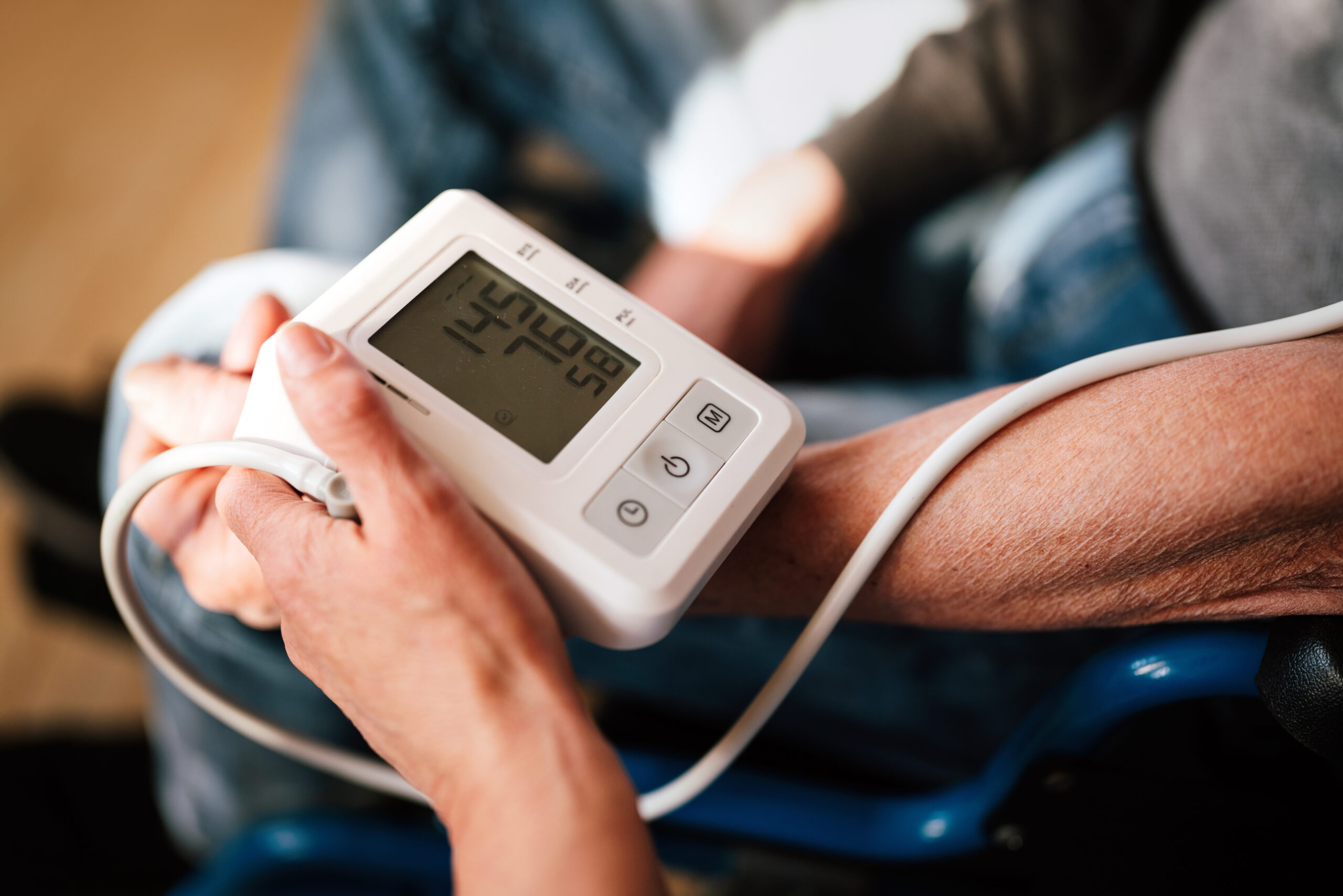
Yes. In Texas, nurse practitioners can serve as your primary care provider, and many patients across the Rio Grande Valley already rely on NPs for exactly that role. A primary care provider, whether a physician or an NP, is the person you see regularly for checkups, sick visits, chronic disease management, and preventive screenings.
The key isn’t the degree on the wall. It’s whether your provider knows you, listens carefully, and gives you consistent, thoughtful attention. That’s the model at Davila’s Clinic.
More Time With Your Provider, Less Time in a Waiting Room
One of the most common complaints people have about primary care is feeling rushed. Large clinic systems often overbook providers, which means your 15-minute appointment can feel more like a five-minute transaction.
Because Davila’s Clinic is an independent practice, Justin Davila keeps his schedule manageable on purpose. That means longer, more focused visits where you actually have time to describe your symptoms, ask your questions, and leave with a plan you understand. Appointments are available Monday, Tuesday, Thursday, and Friday from 5 to 9 PM, and Saturdays from 8 AM to 1 PM. Those hours are designed around people who work during the day.
Consistent Care From Someone Who Knows Your History
There’s real value in seeing the same provider at every visit. When your primary care provider knows your full picture, including your health history, your lifestyle, and your previous test results, they catch things that might otherwise get missed. They also notice when something has changed.
At Davila’s Clinic, you’re not shuffled between different providers depending on who’s available. You see Justin Davila, every time. That kind of continuity matters, especially if you’re managing a chronic condition or trying to sort out symptoms that are hard to pin down. Physical check-ups become more meaningful when your provider already understands your baseline.
Can a Nurse Practitioner Manage Chronic Conditions Like Diabetes or High Blood Pressure?

Yes, and this is actually an area where NPs often shine. Justin Davila’s training covers the long-term management of chronic conditions like Type 2 diabetes, hypertension, high cholesterol, and thyroid disease.
Managing these conditions isn’t just about writing a prescription. It involves regular monitoring, patient education, lifestyle coaching, and adjusting your care plan as your needs change. In the Rio Grande Valley, where rates of diabetes and heart disease are particularly high, having a dedicated provider who takes chronic disease management seriously and explains it in plain terms makes a real difference.
Evening and Saturday Hours Mean You Don’t Have to Take Time Off Work
Davila’s Clinic was built with working patients in mind. Evening hours and Saturday availability mean you can get care without burning vacation days. And for patients who can’t make it in person, telemedicine services are available for follow-up visits and certain types of consultations.
Whether you need a medication refill, a lab review, or a quick check-in about how you’ve been feeling, you don’t have to choose between your job and your health.
The Bottom Line
So, can a nurse practitioner be my primary care provider? At Davila’s Clinic, the answer is yes, and it comes with something that’s increasingly hard to find: a provider who actually knows you, has time for you, and is accessible when you need them.
Justin Davila built this clinic for the people of Weslaco and the surrounding Valley, and the doors are open in the evenings and on Saturdays. If you’re ready for primary care that feels personal, book an appointment today at 412 E 18th ST STE E, Weslaco, TX 78596. We’d love to be your clinic.

Can a nurse practitioner be my primary care provider instead of a doctor?
Yes. In Texas, a nurse practitioner is fully authorized to serve as your primary care provider. They can diagnose illness, prescribe medications, manage chronic conditions, and provide preventive care. Many patients prefer NPs because of the extra time spent during appointments and the personal attention they receive. The care is real, thorough, and legally recognized, not a lesser alternative.
What is the difference between a nurse practitioner and a family medicine physician?
A family medicine physician holds an MD or DO and completes a medical residency. A nurse practitioner holds a graduate nursing degree and national board certification. Both can serve as primary care providers. The practical differences for most patients are subtle. NPs often spend more time with patients and tend to take a holistic, patient-education-focused approach. Scope of practice for NPs varies by state, and in Texas, NPs practice with a high level of independence.
Can a nurse practitioner prescribe medications and order lab tests?
Yes. In Texas, nurse practitioners have full prescriptive authority, which means they can prescribe medications, including controlled substances when appropriate, and order diagnostic tests like bloodwork, urinalysis, and imaging. Justin Davila is a board-certified FNP with the clinical training to evaluate your symptoms and determine the right tests and treatments to support your care.
Is the quality of care from a nurse practitioner the same as from a medical doctor?
Research consistently shows that patient outcomes and satisfaction scores are comparable between NPs and physicians for primary care. NPs often score higher on patient communication and time spent per visit. Quality of care depends more on the individual provider’s attention, clinical judgment, and knowledge of your health history than on the type of degree they hold.
Can a nurse practitioner manage my chronic conditions like diabetes or high blood pressure?
Yes. Managing chronic conditions like diabetes, hypertension, and high cholesterol is a core part of what family nurse practitioners are trained to do. This includes monitoring your labs, adjusting your treatment plan, educating you about your condition, and helping you make lifestyle changes that actually fit your life. In the Rio Grande Valley, where chronic disease rates are high, having a consistent, knowledgeable NP as your primary care provider can make a meaningful difference.